Everything you need to know about Korean Wedding Paebaek
Paebaek Ceremony: Meaning, Traditions, and What Happens During the Celebration
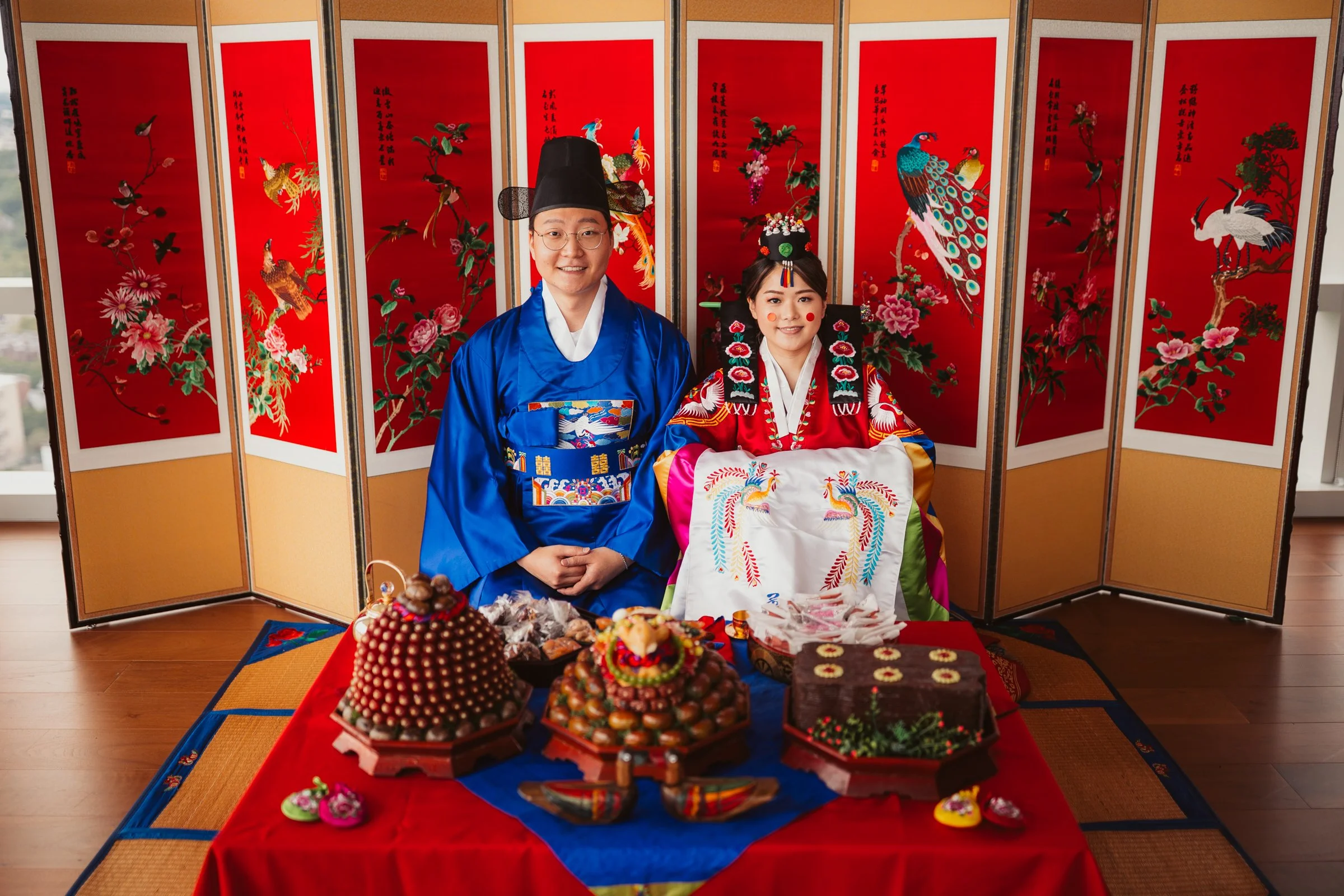
A Korean traditional wedding paebaek is one of the most meaningful parts of a Korean wedding celebration. Rooted in family honor, respect, blessing, and symbolism, the paebaek ceremony is a private or semi private tradition where the bride and groom formally honor their elders and begin married life through a series of customs passed down through generations. From the ceremonial setup and wine offerings to bowing, dates and chestnuts, and the groom carrying the bride on his back, each part of the paebaek holds special meaning.
For couples planning a Korean wedding or incorporating cultural traditions into their celebration, understanding the meaning behind the paebaek can make the experience even more meaningful.
What Is a Korean Wedding Paebaek (폐백)?
The paebaek is a traditional Korean wedding ceremony that usually takes place after the main wedding ceremony. It is often held with close family members and centers on the bride and groom showing respect to senior family members, receiving blessings, and taking part in symbolic rituals that represent marriage, unity, and future family life.
What makes the paebaek so memorable is the way it blends reverence, beauty, humor, and family connection into one celebration. It is deeply traditional, yet it also feels personal and joyful.
The Paebaek Setup and Meaning
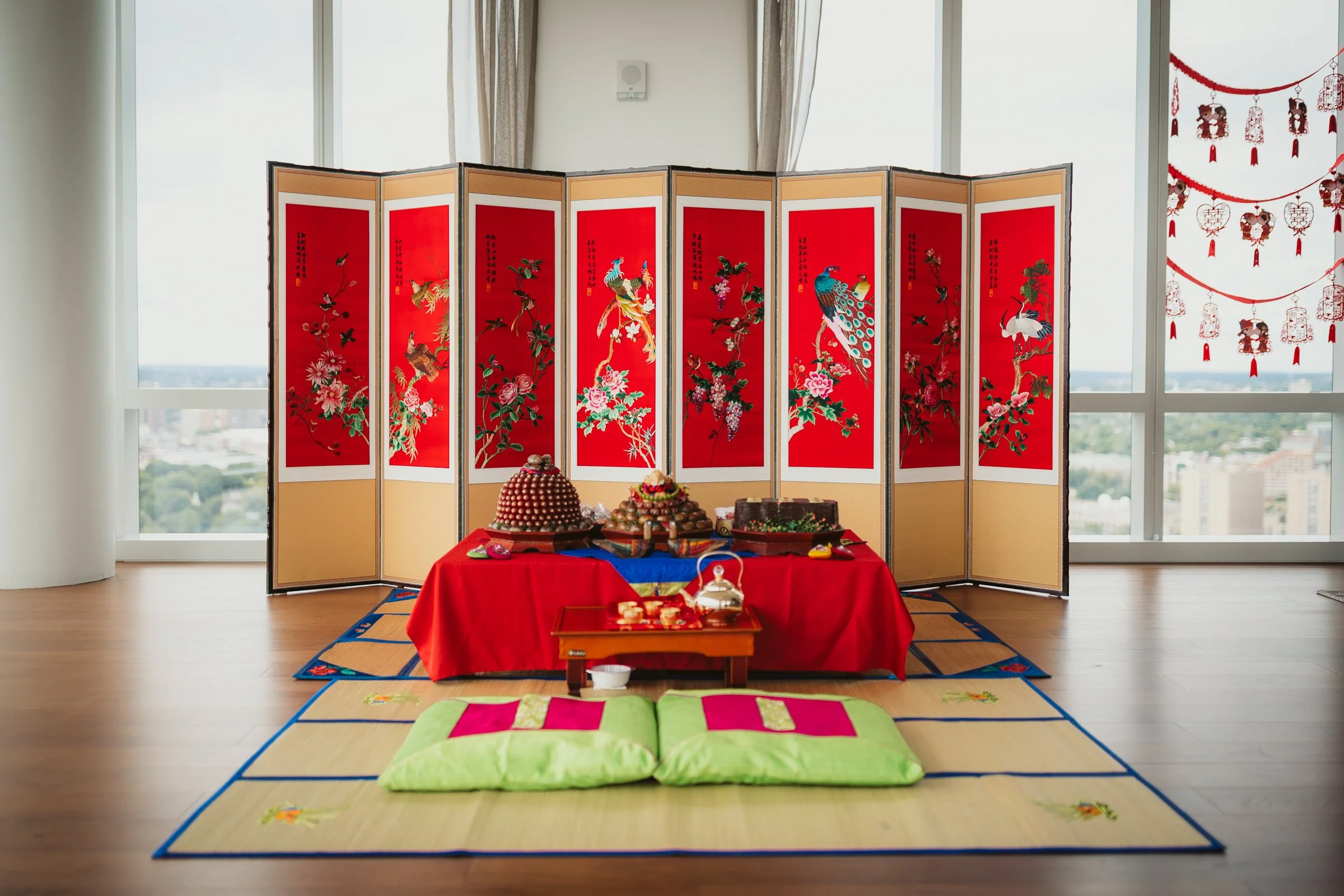
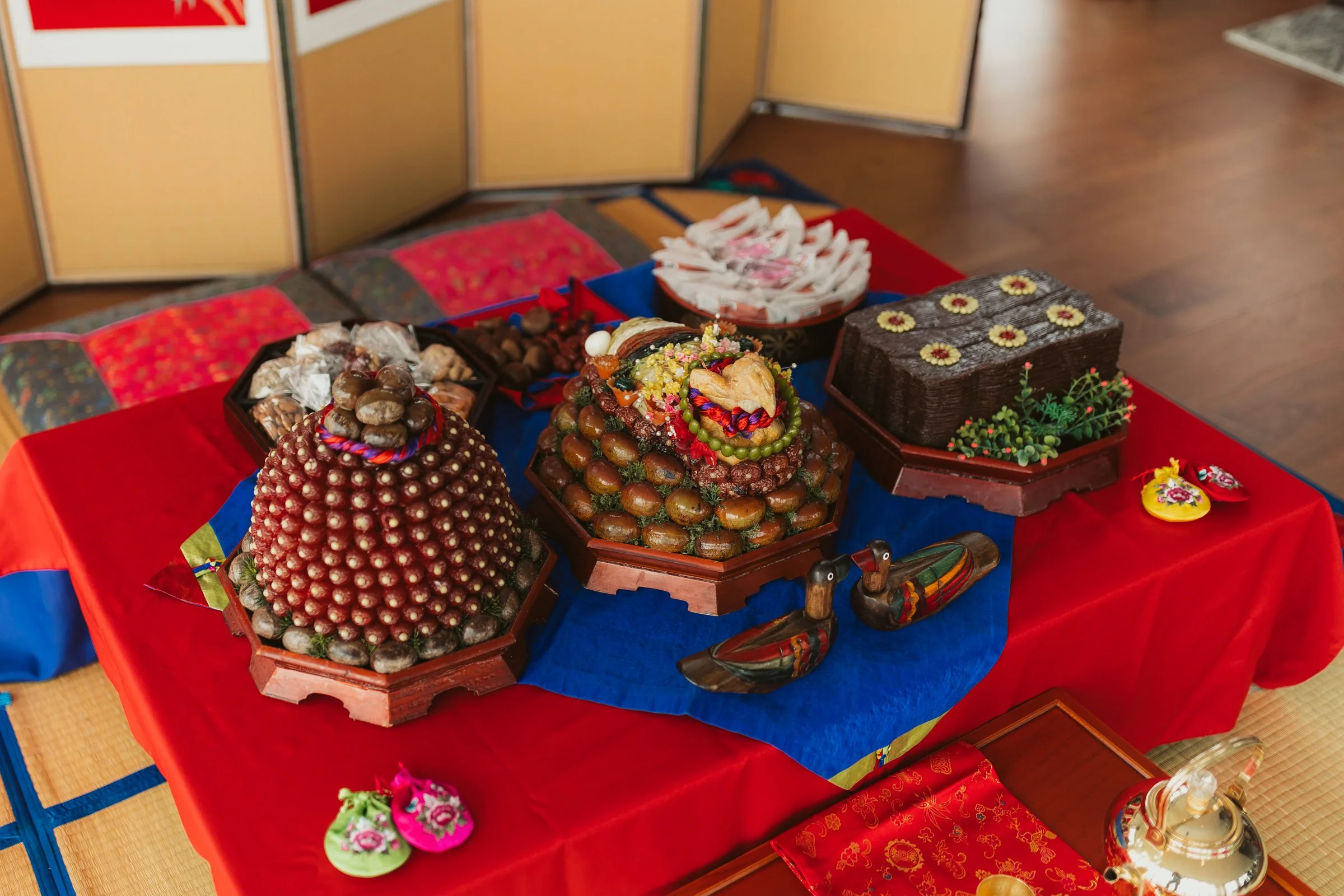
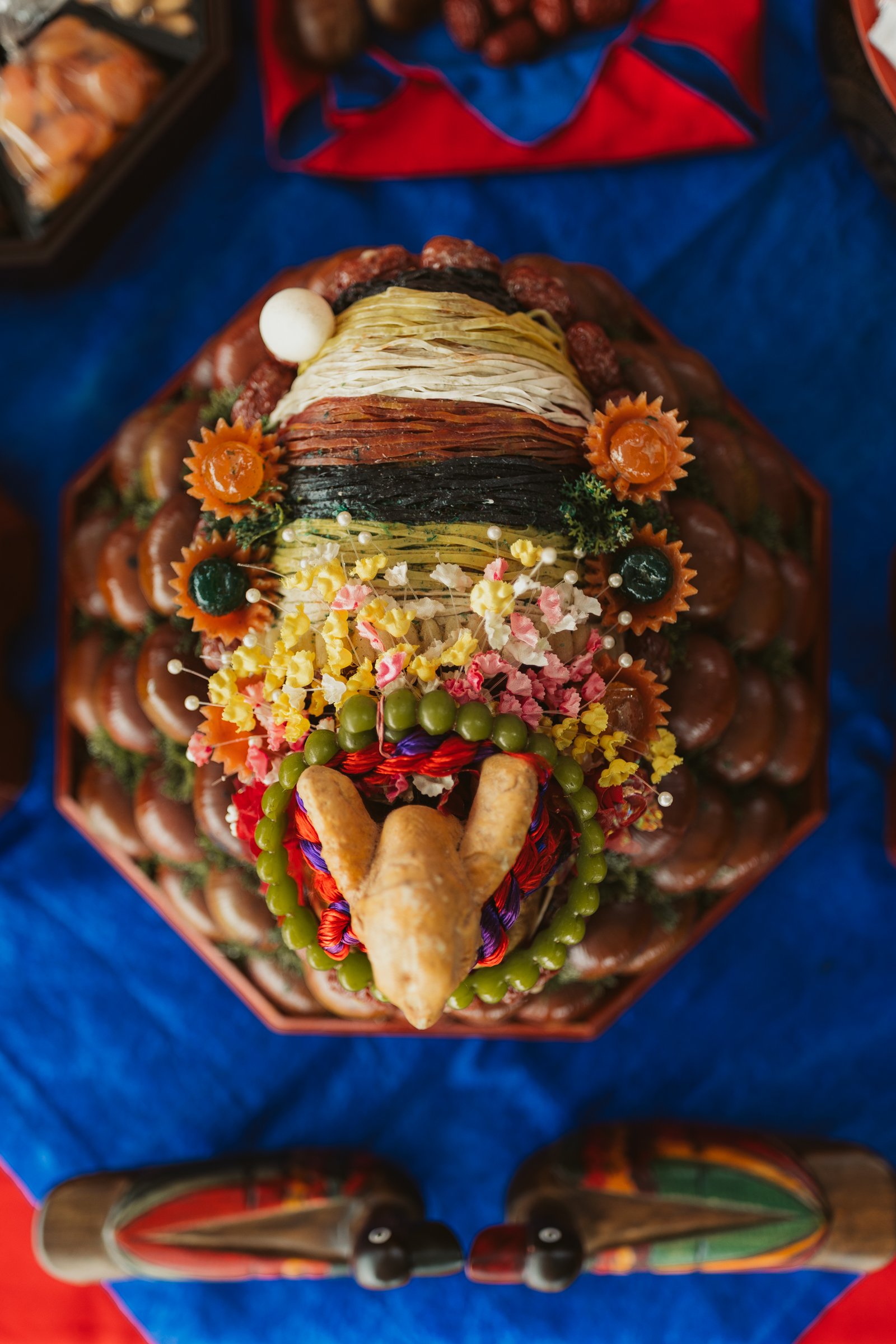
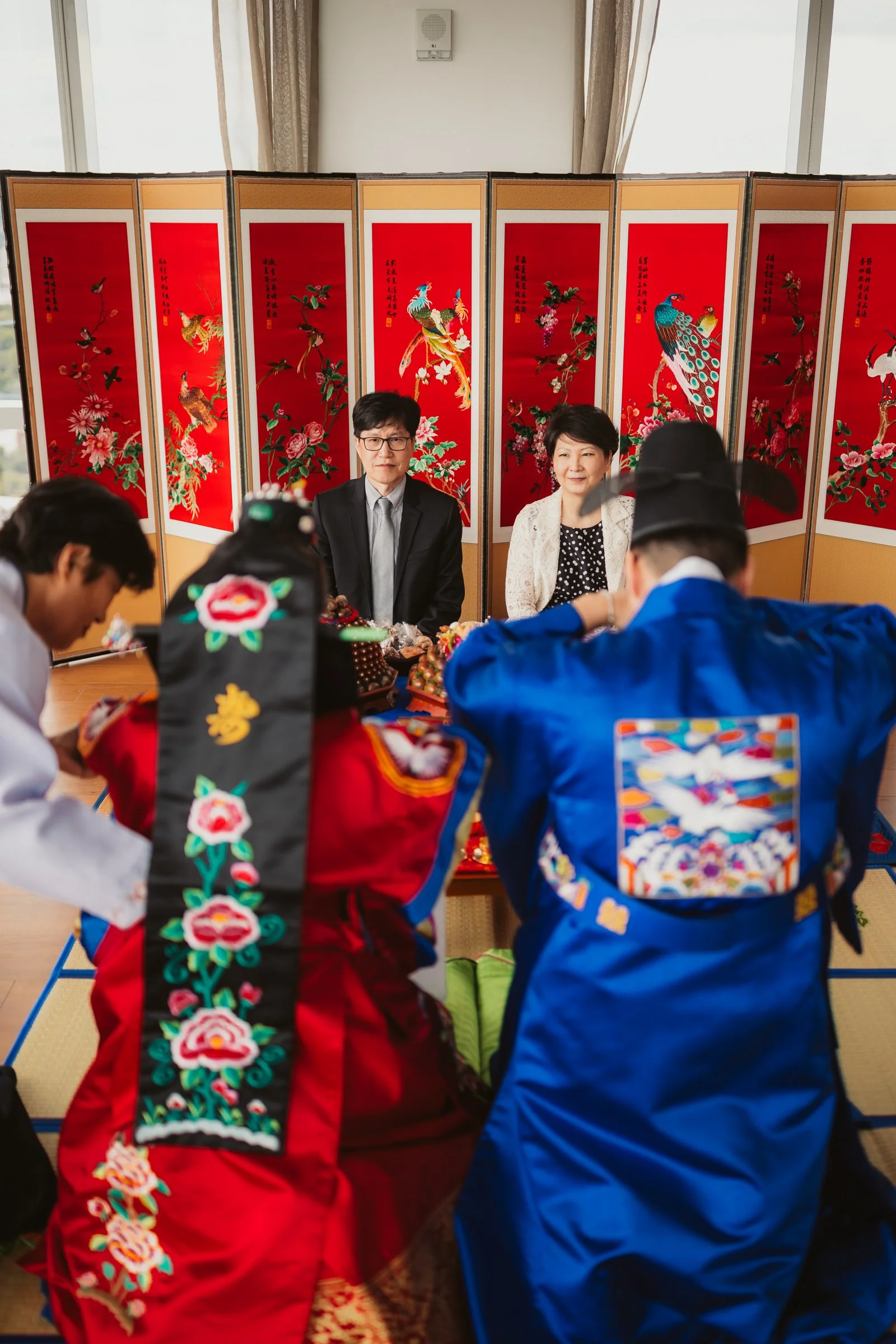
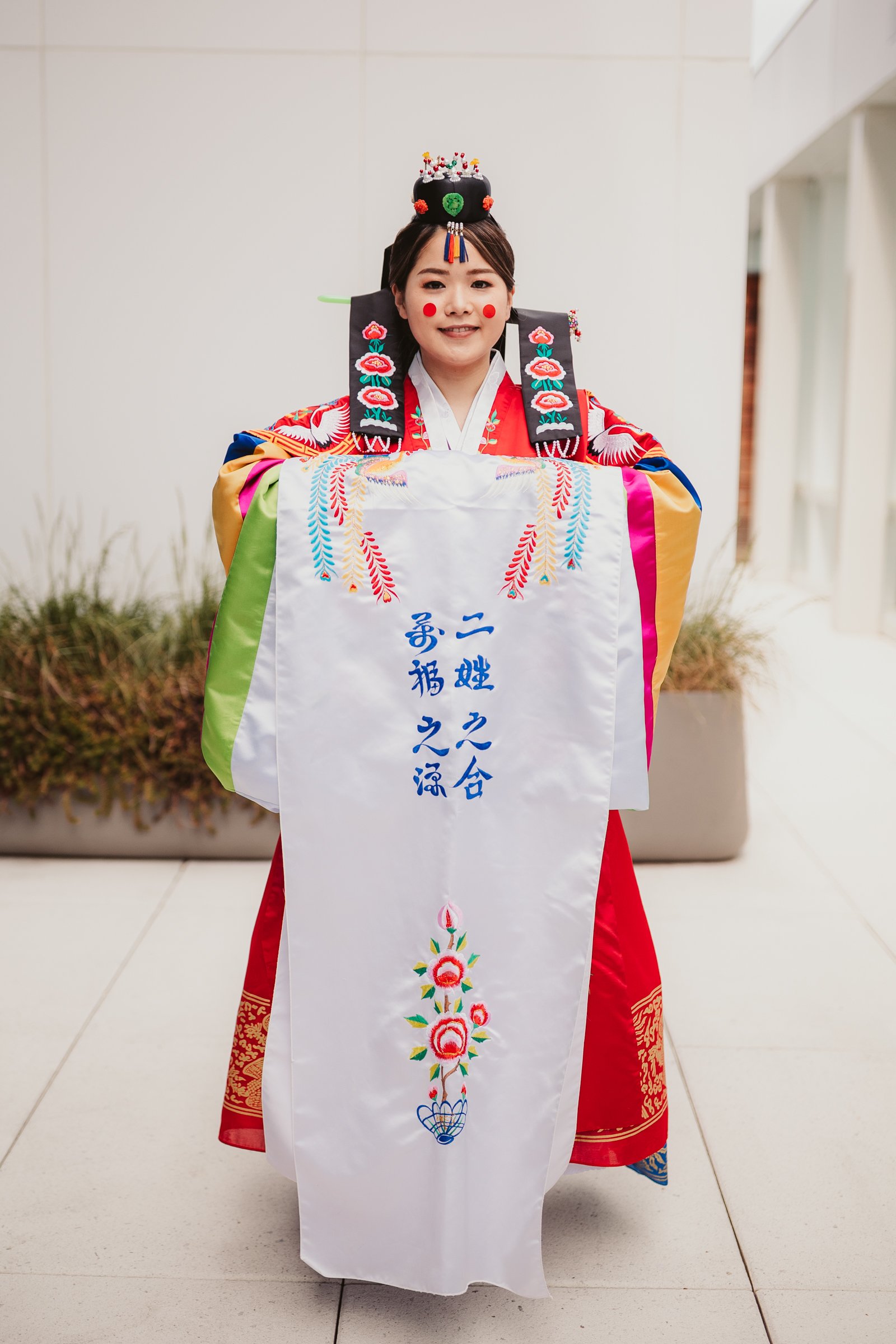
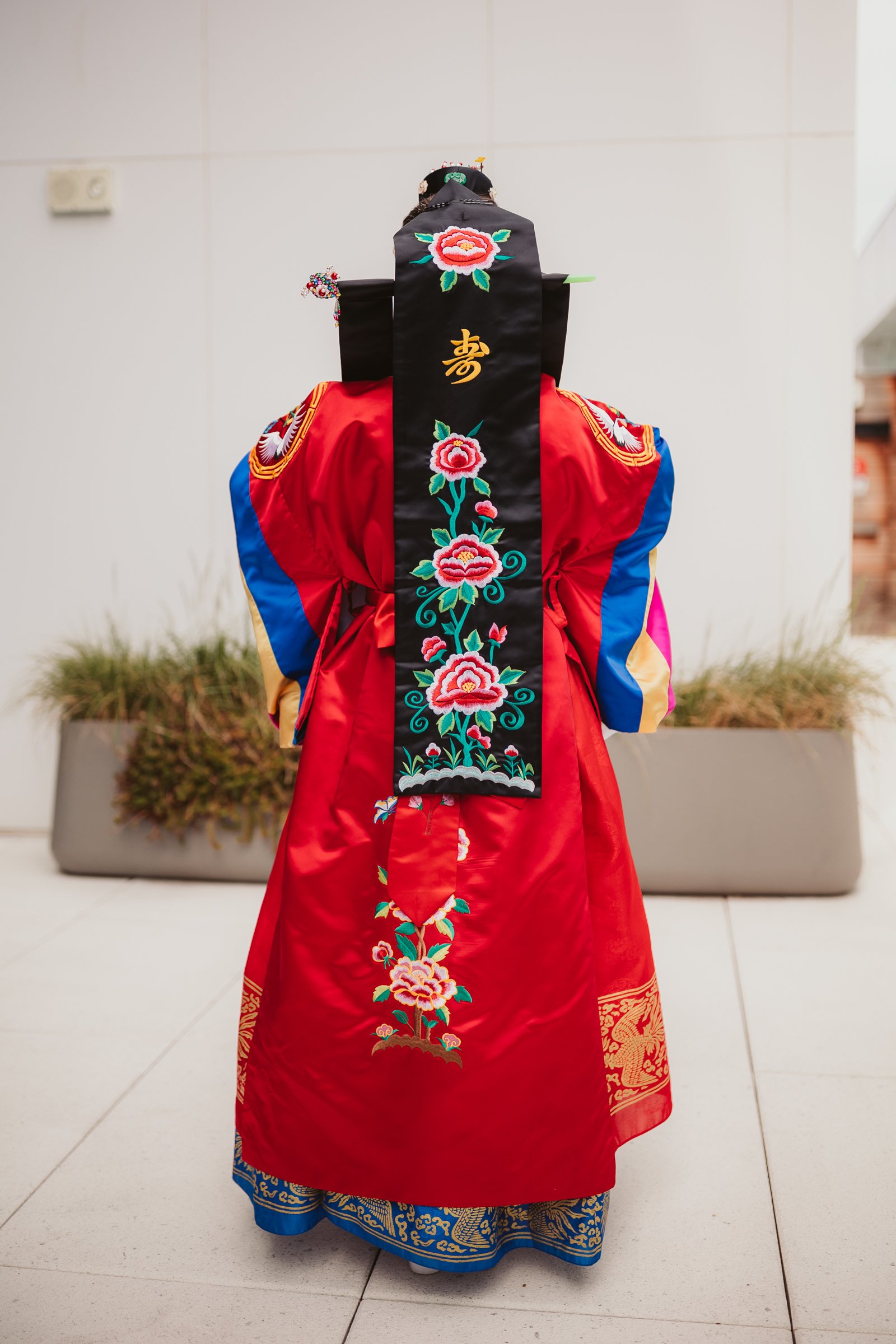
One of the first things that makes a Korean traditional wedding paebaek so distinctive is the ceremonial setup. The space is often arranged with a folding screen, floor mats, cushions, and a low table dressed in vibrant traditional fabric. On the table, symbolic foods and ceremonial items are carefully displayed, creating a space that feels formal, intentional, and rich with meaning.
The setup is not just for appearance. It creates a dedicated setting for honoring family and tradition. The layered details, bold colors, and carefully arranged elements all help establish the importance of the ceremony and the respect it carries.
Offering Wine to Senior Family Members
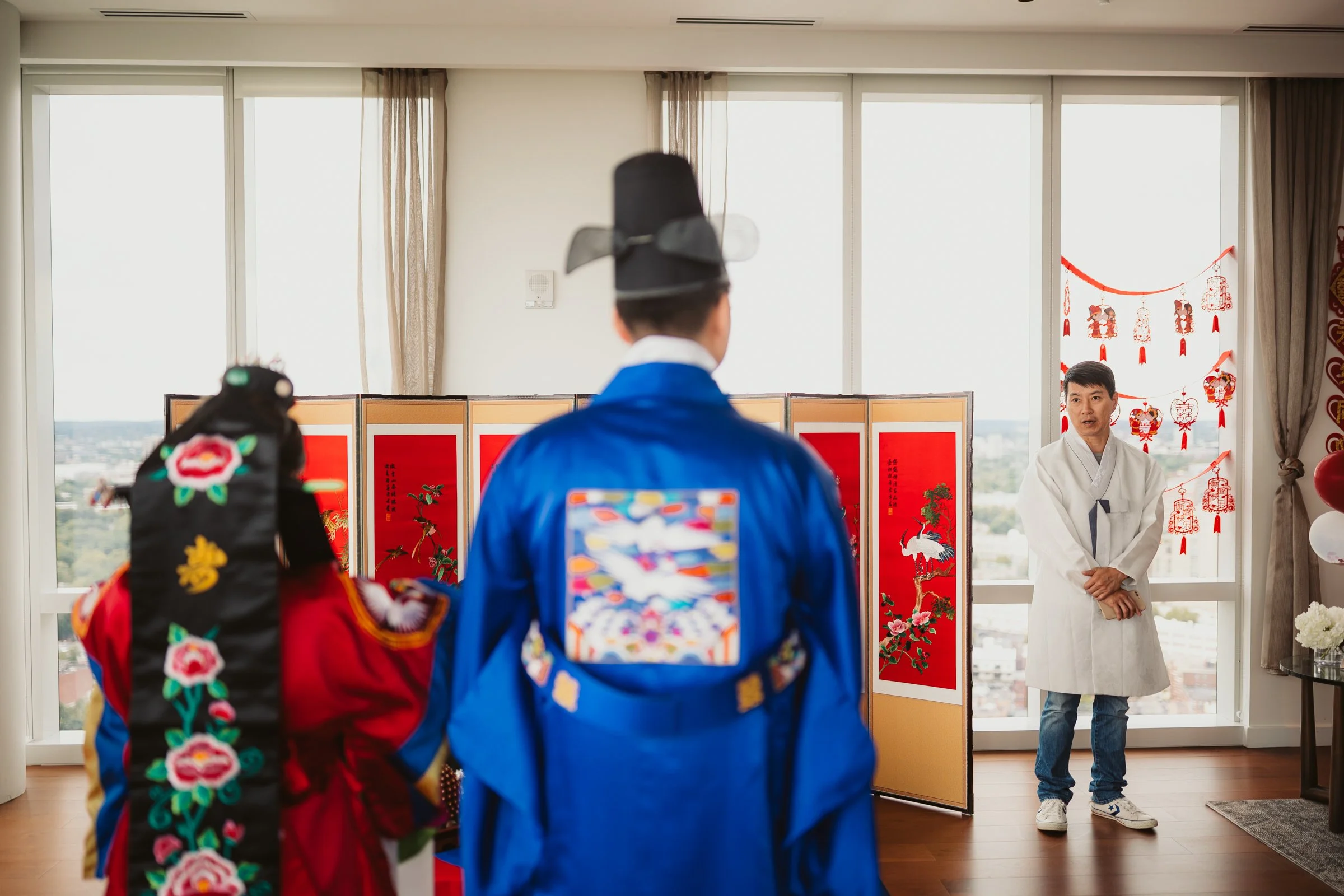
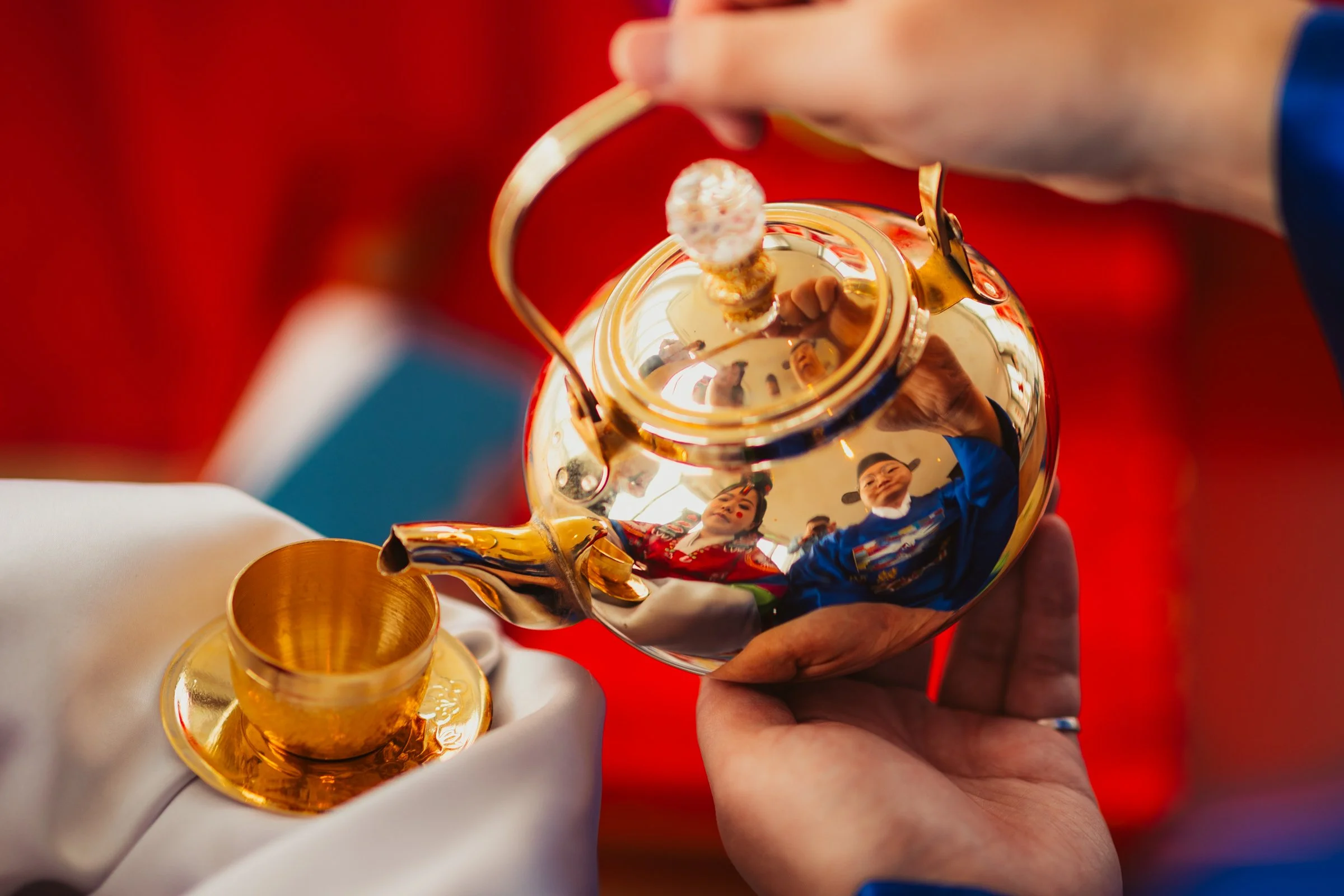
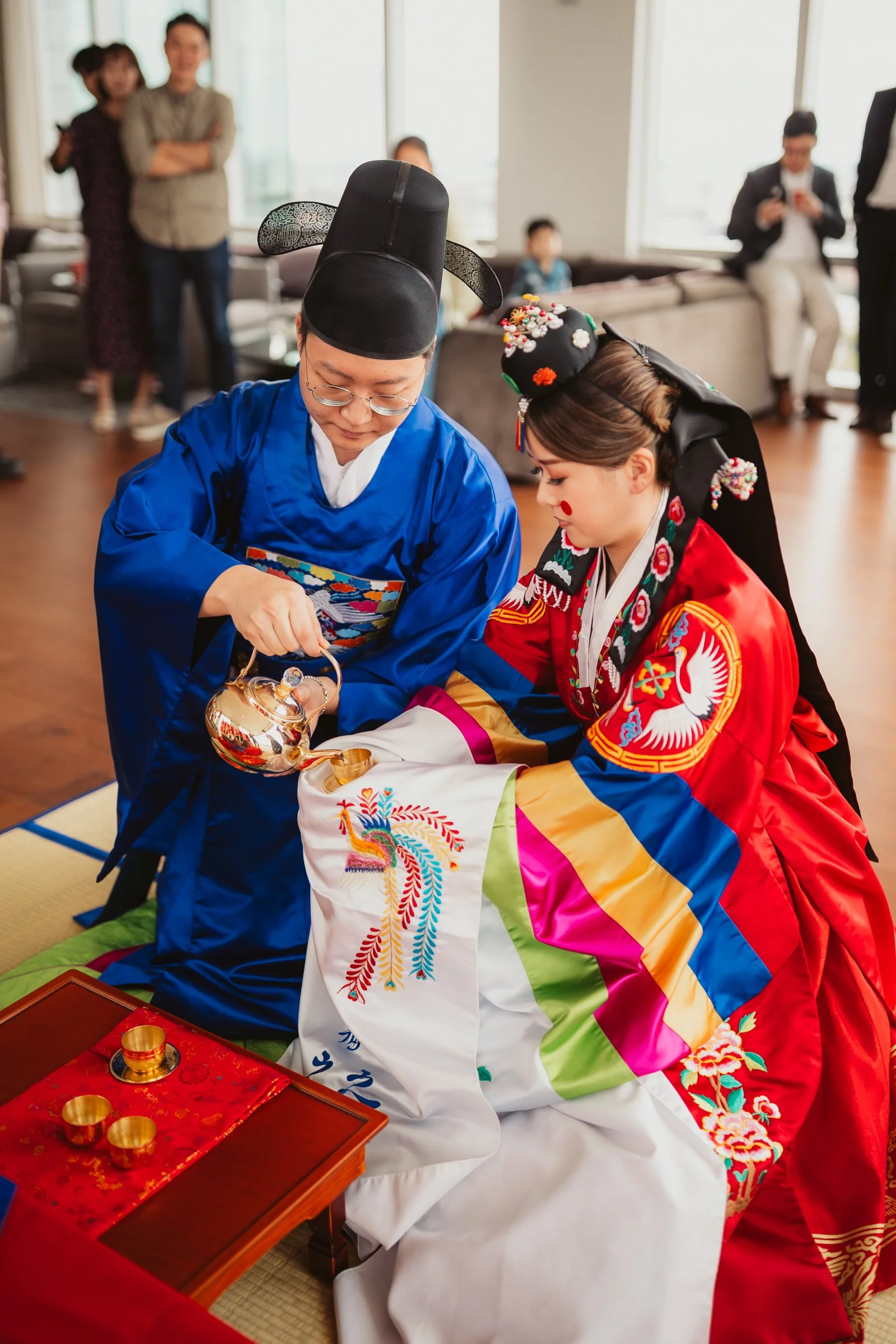
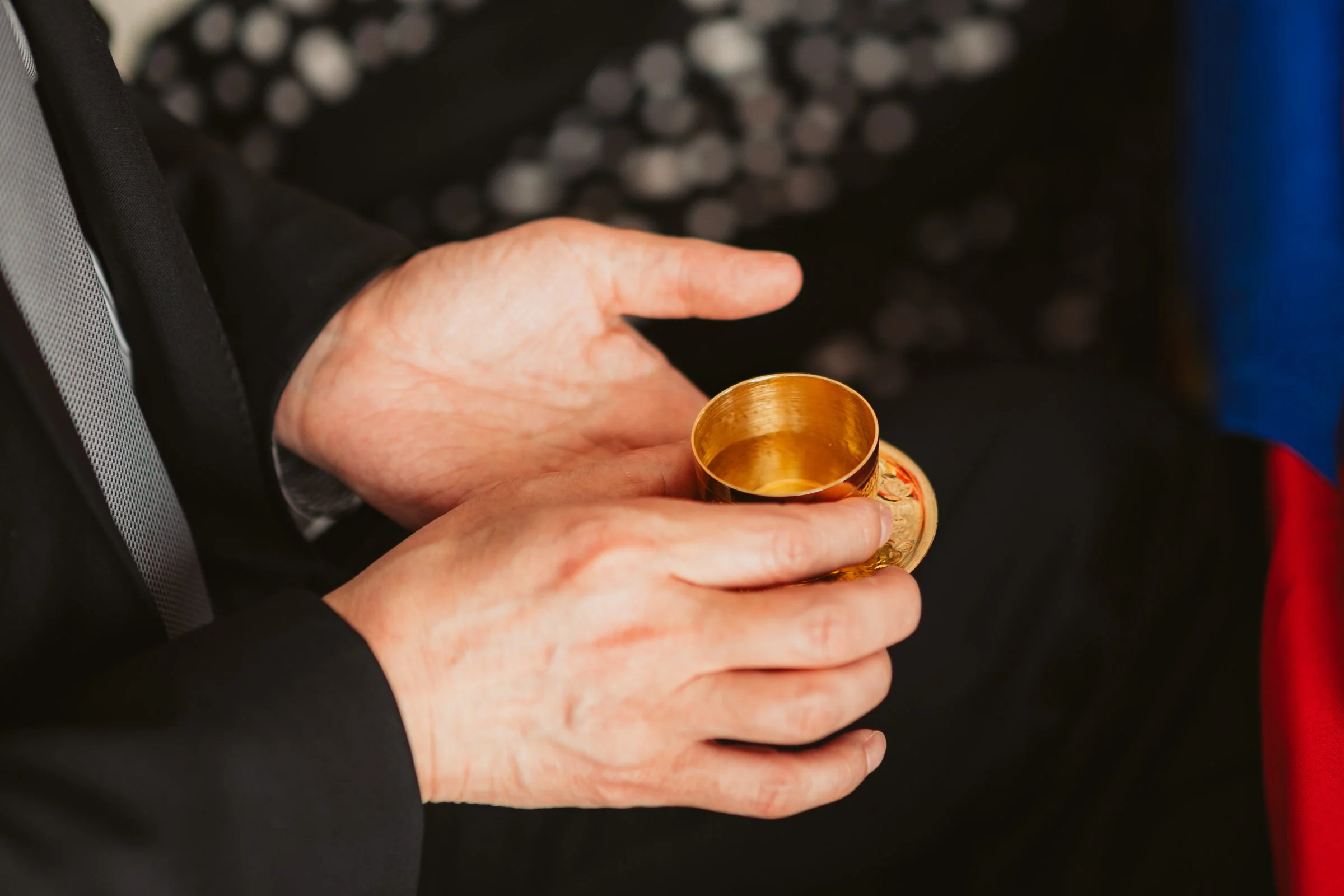
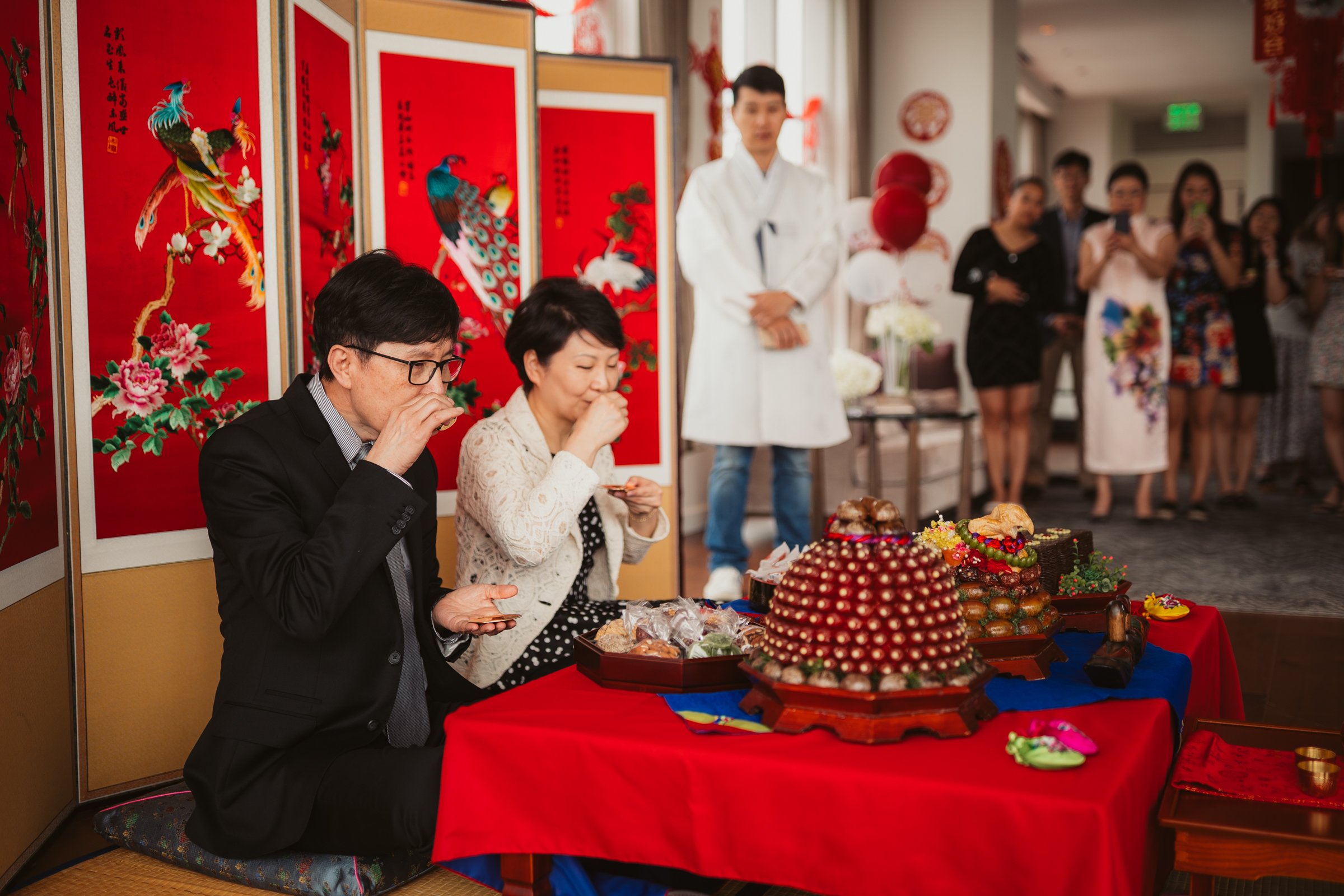
A central part of the paebaek ceremony is the offering of wine to senior family members. This tradition is a gesture of gratitude, humility, and respect. The bride and groom present the wine as a formal way of honoring their elders and recognizing the role they play in blessing and supporting the marriage.
This moment reflects one of the deepest meanings of the paebaek. A wedding is not only the union of two people, but also the joining of two families. The wine offering becomes a visible act of respect toward the generations who came before them.
Bowing to Elders
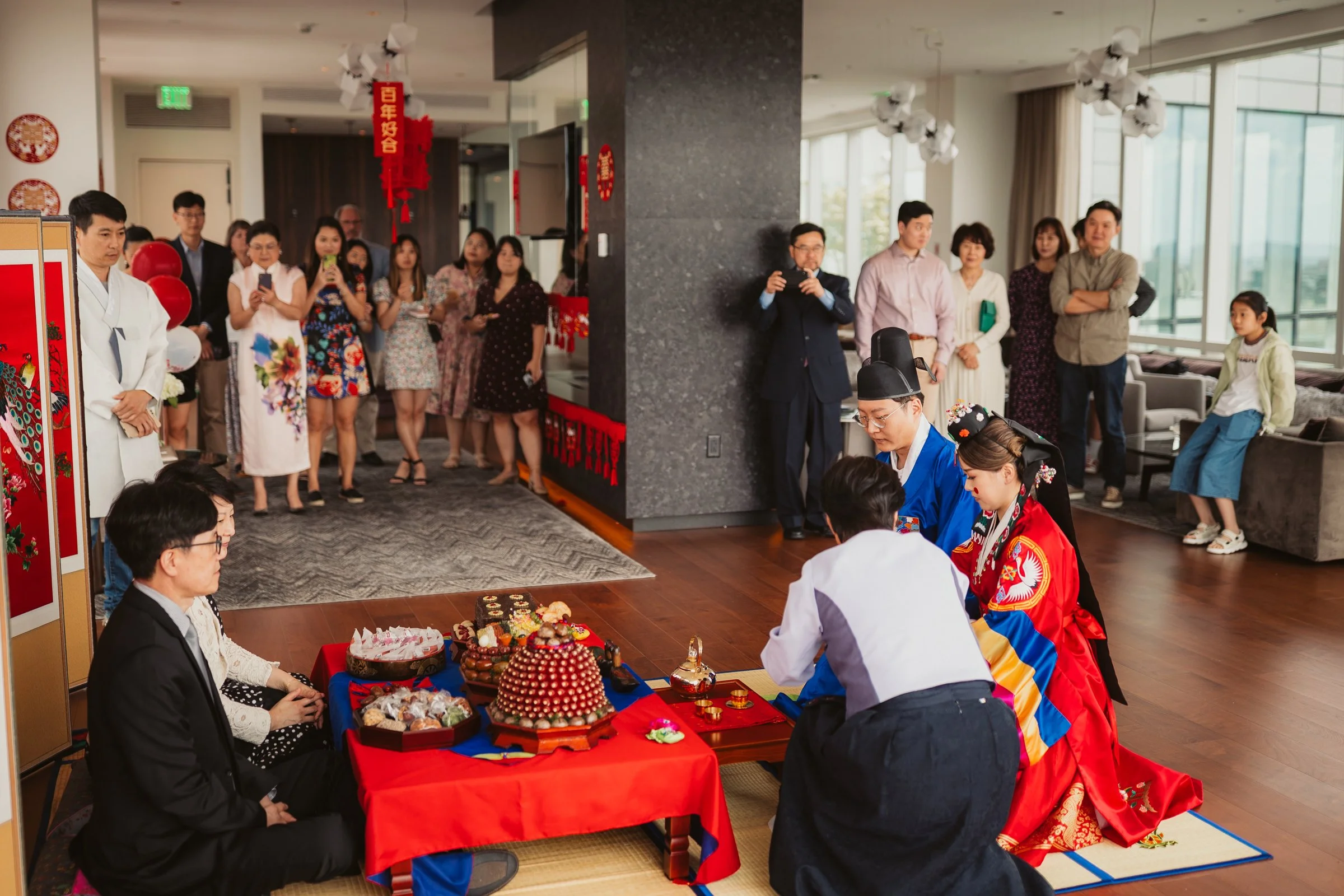
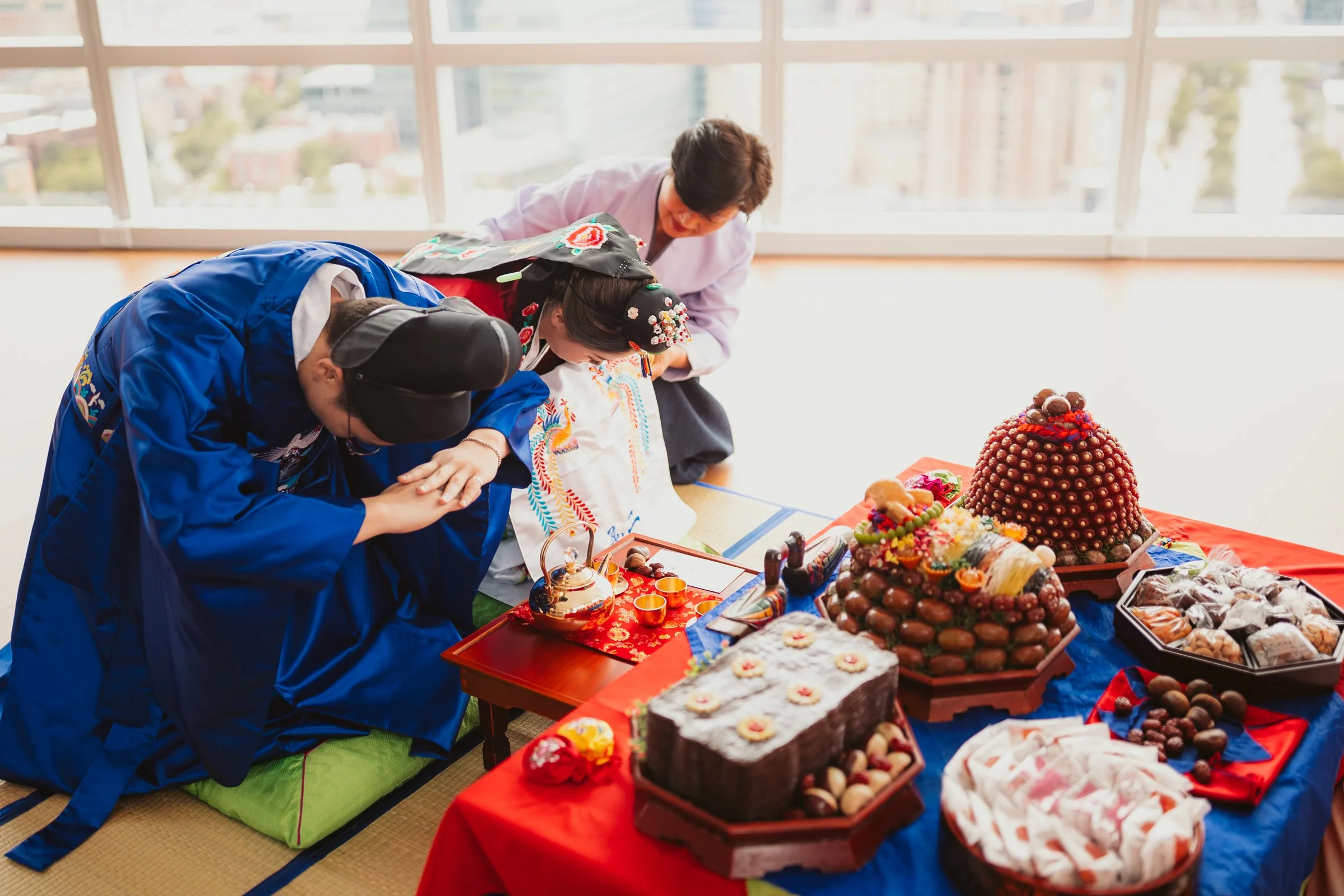
Bowing is one of the most important traditions in a Korean wedding paebaek. The bride and groom kneel and bow deeply before their elders as a sign of sincerity, gratitude, and respect. This act is central to the ceremony and reflects the importance of honoring family and tradition.
In Korean culture, the bow carries weight far beyond formality. During the paebaek, it becomes a meaningful expression of humility and reverence, grounding the ceremony in family values and generational blessing.
The Meaning of Dates and Chestnuts in Paebaek
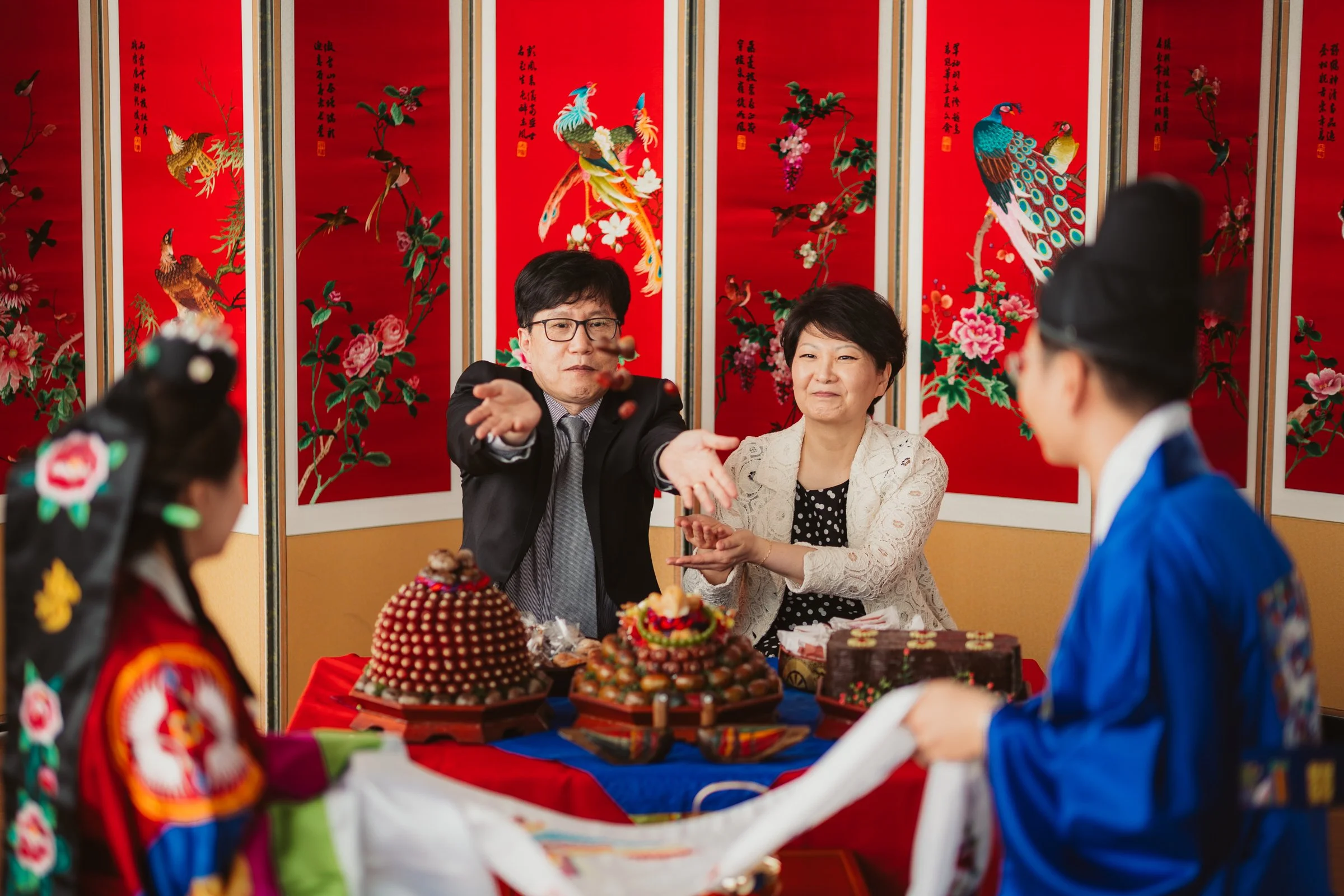
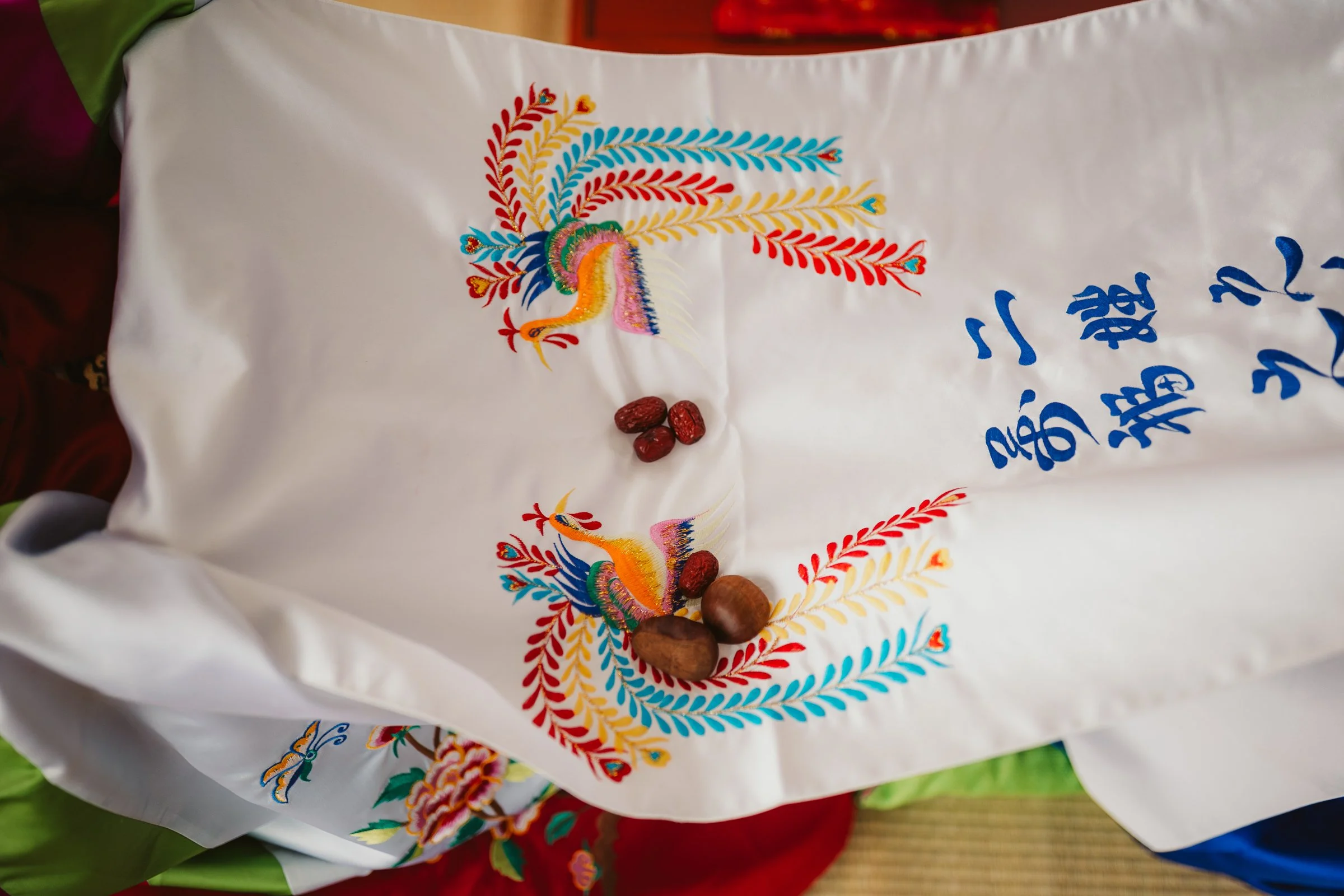
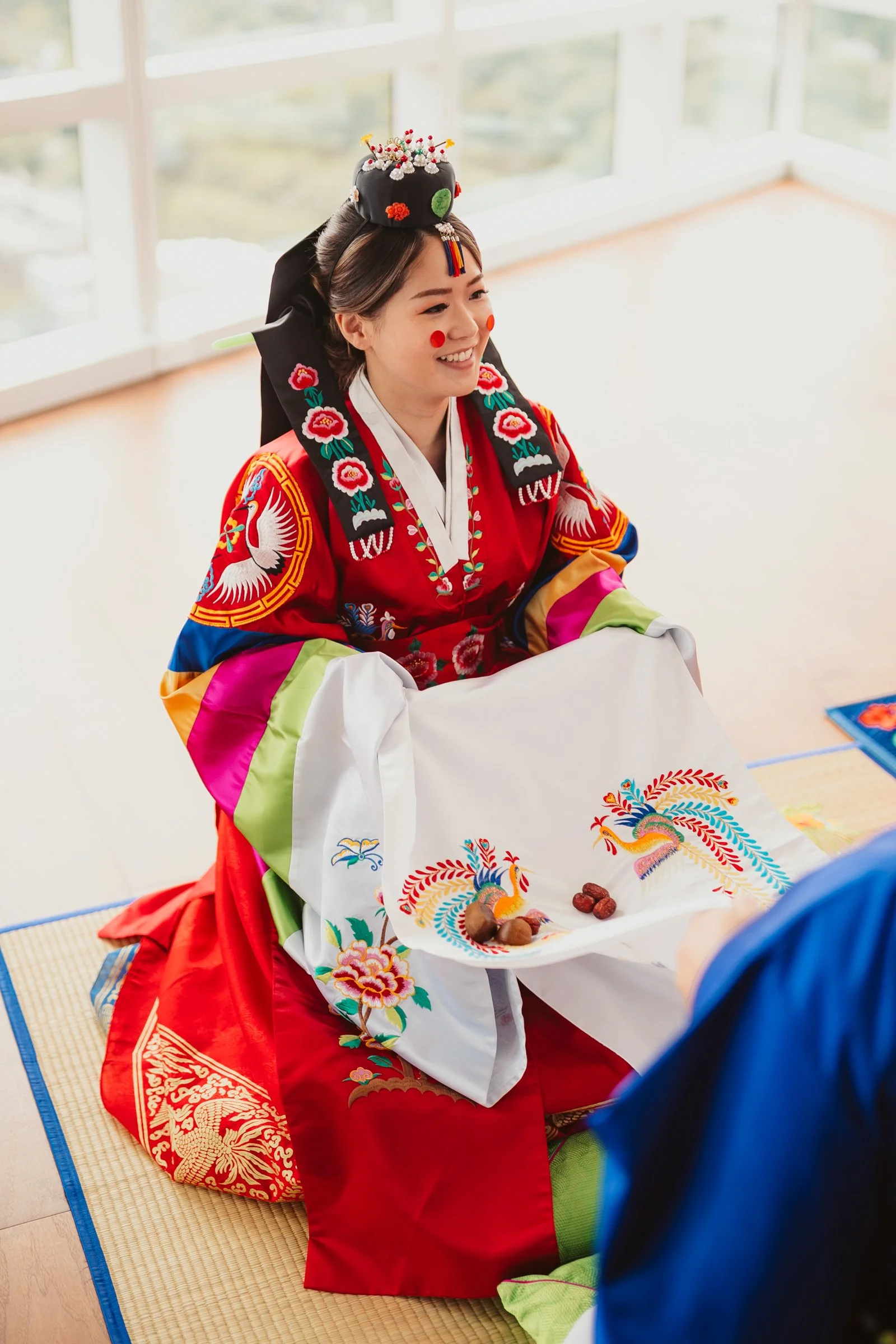
One of the most recognized and talked about parts of the paebaek ceremony is the tossing of dates and chestnuts. The elders toss them toward the couple, who hold out a cloth to catch them. This tradition is playful and often full of laughter, but it also carries symbolic meaning.
In paebaek tradition, dates are said to represent sons and chestnuts represent daughters. The number the couple catches is believed to symbolize the number of children they may have in the future. This makes the moment feel both joyful and symbolic, blending family hopes with celebration in a way that is uniquely memorable.
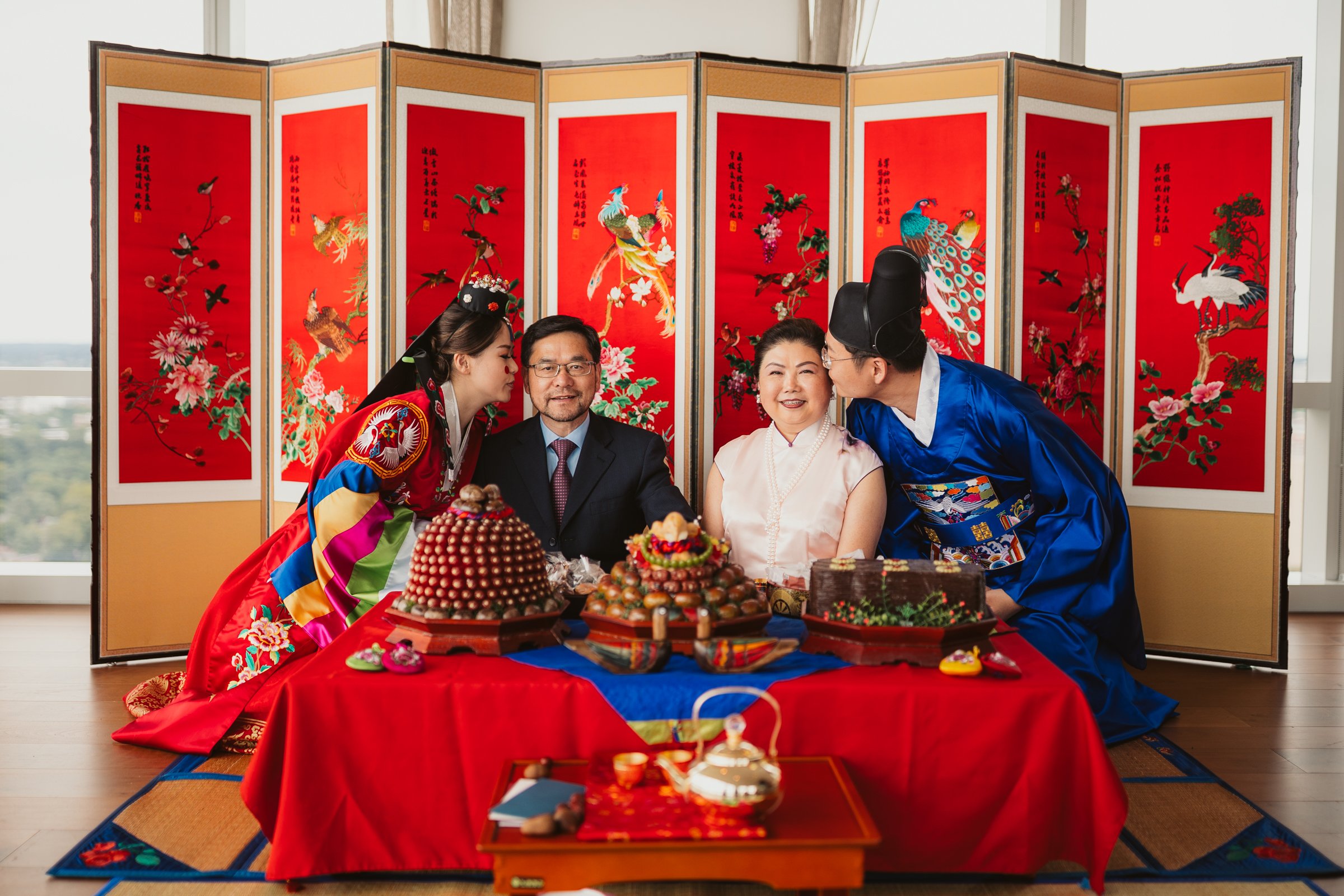
Kissing the Family
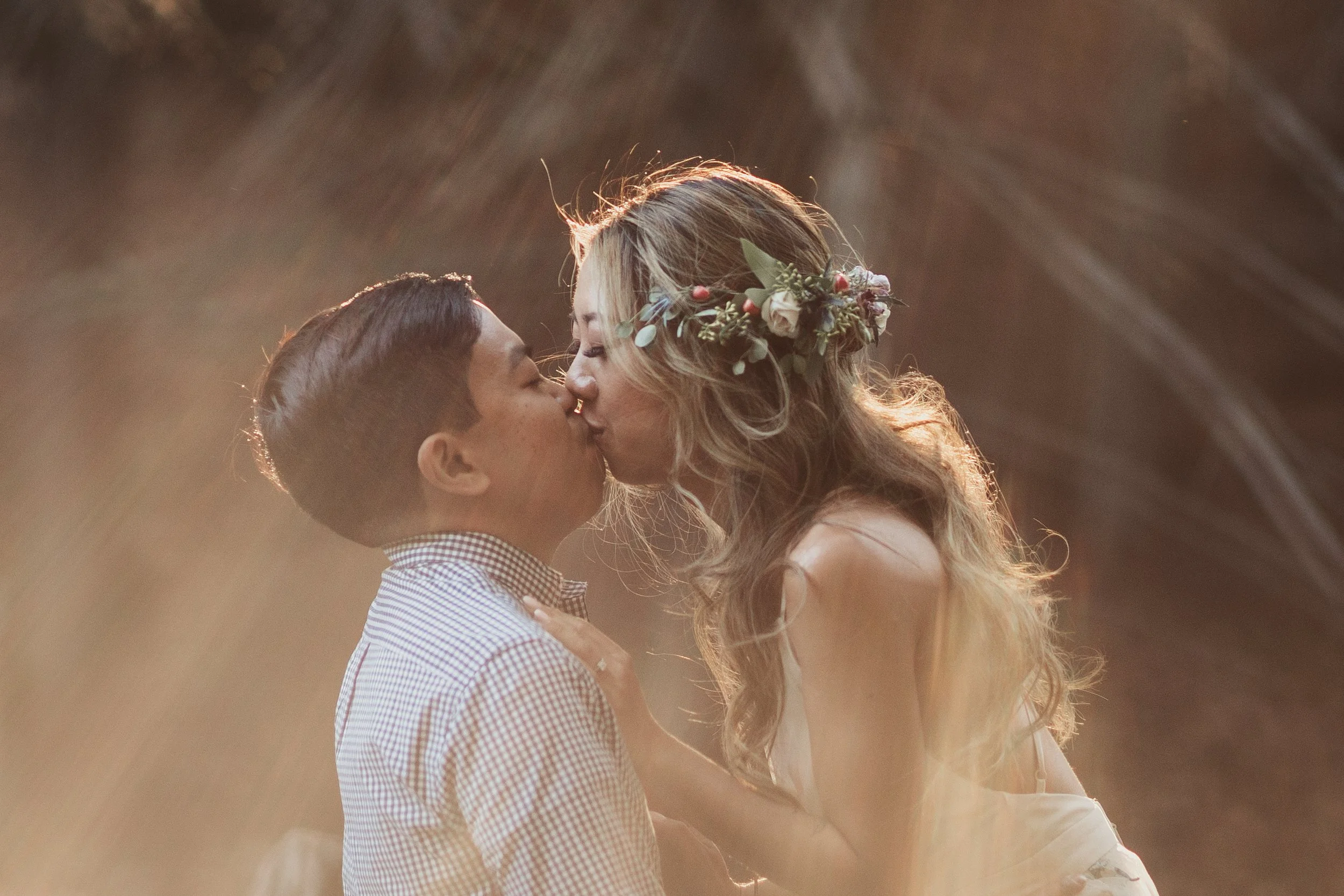
Another meaningful paebaek tradition is the affectionate exchange between the couple and senior family members, often including cheek kisses or gestures of closeness. This part of the ceremony softens the formality of the ritual and adds warmth to the celebration.
The meaning behind this moment is love, acceptance, and family connection. It shows that beyond the symbolism and structure, the paebaek is also about welcoming, honoring, and embracing one another.
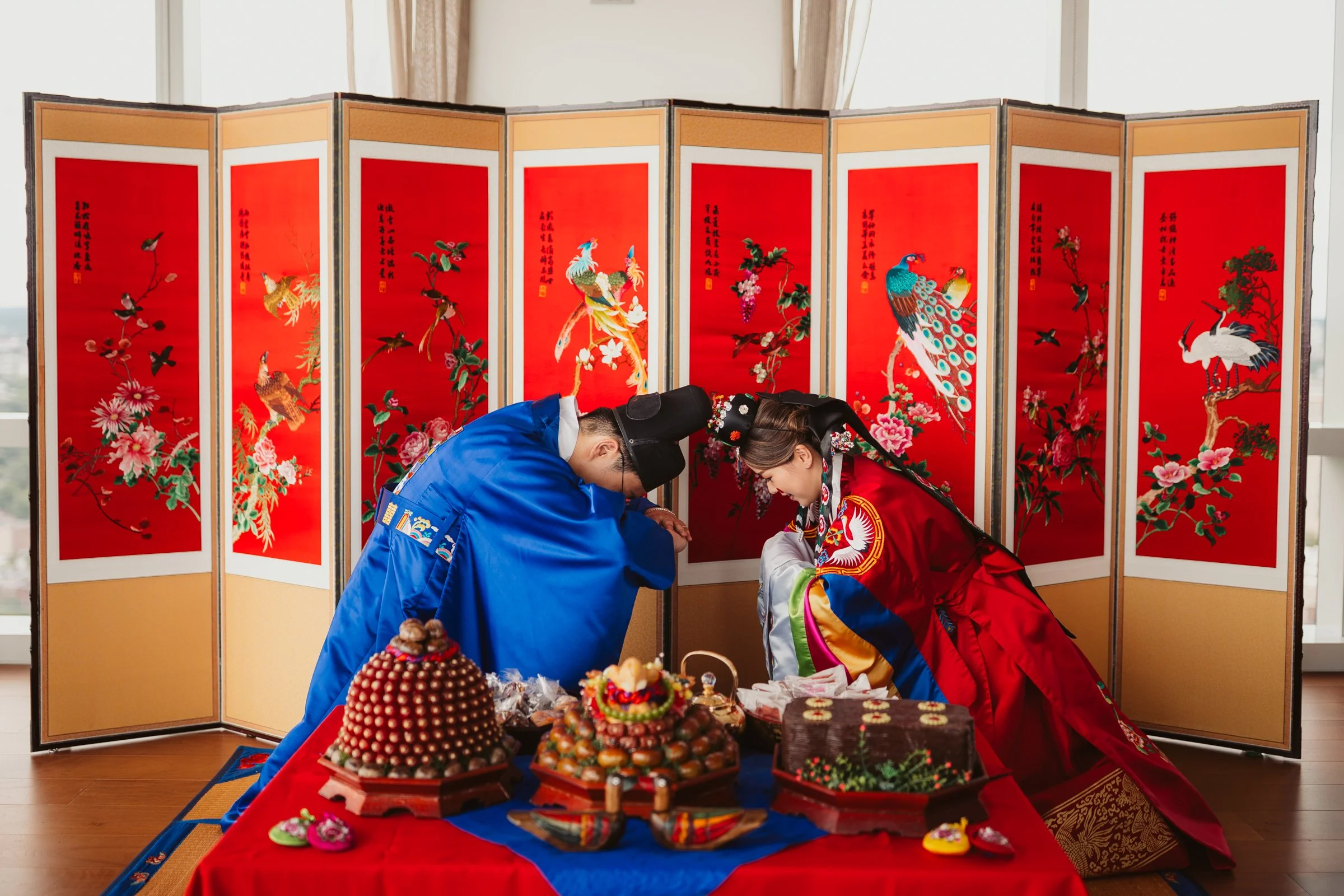
The Bride and Groom Bowing to Each Other
In addition to bowing to elders, the bride and groom also bow to one another. This tradition reflects mutual respect within the marriage. It symbolizes that both partners are entering married life with humility, honor, and commitment.
This moment is especially meaningful because it shifts the focus from family blessing to the relationship between the couple. It reminds everyone that marriage is built not only on tradition, but also on mutual care and respect.
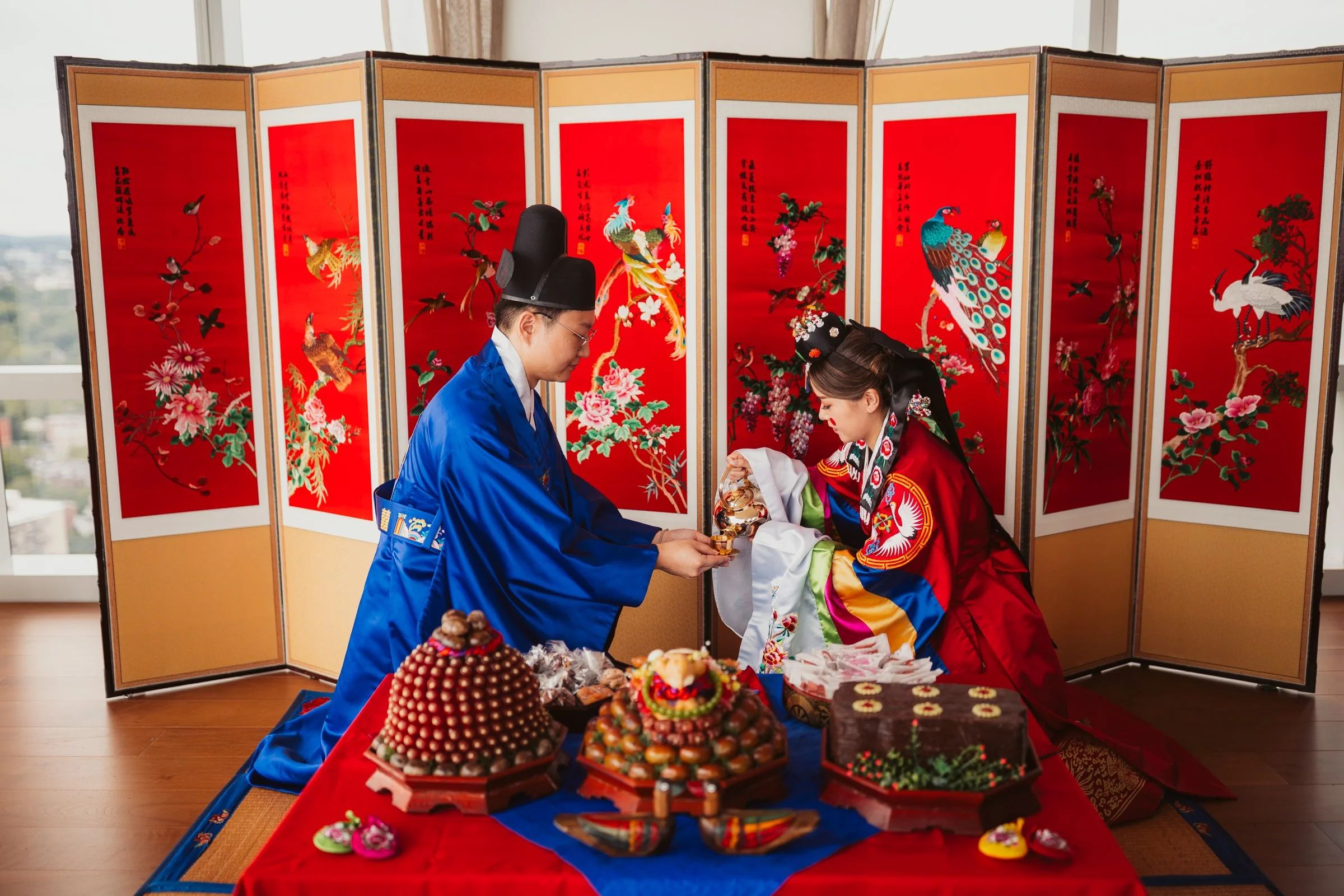
Offering Each Other Rich Wine
The bride and groom also offer rich wine to each other during the paebaek. This exchange symbolizes unity and shared life. It marks the beginning of marriage as a partnership, where both people offer themselves fully to one another.
This part of the ceremony feels especially intimate because it centers the bond between the couple. While much of the paebaek honors family and heritage, this tradition highlights the shared promise at the heart of the wedding day.
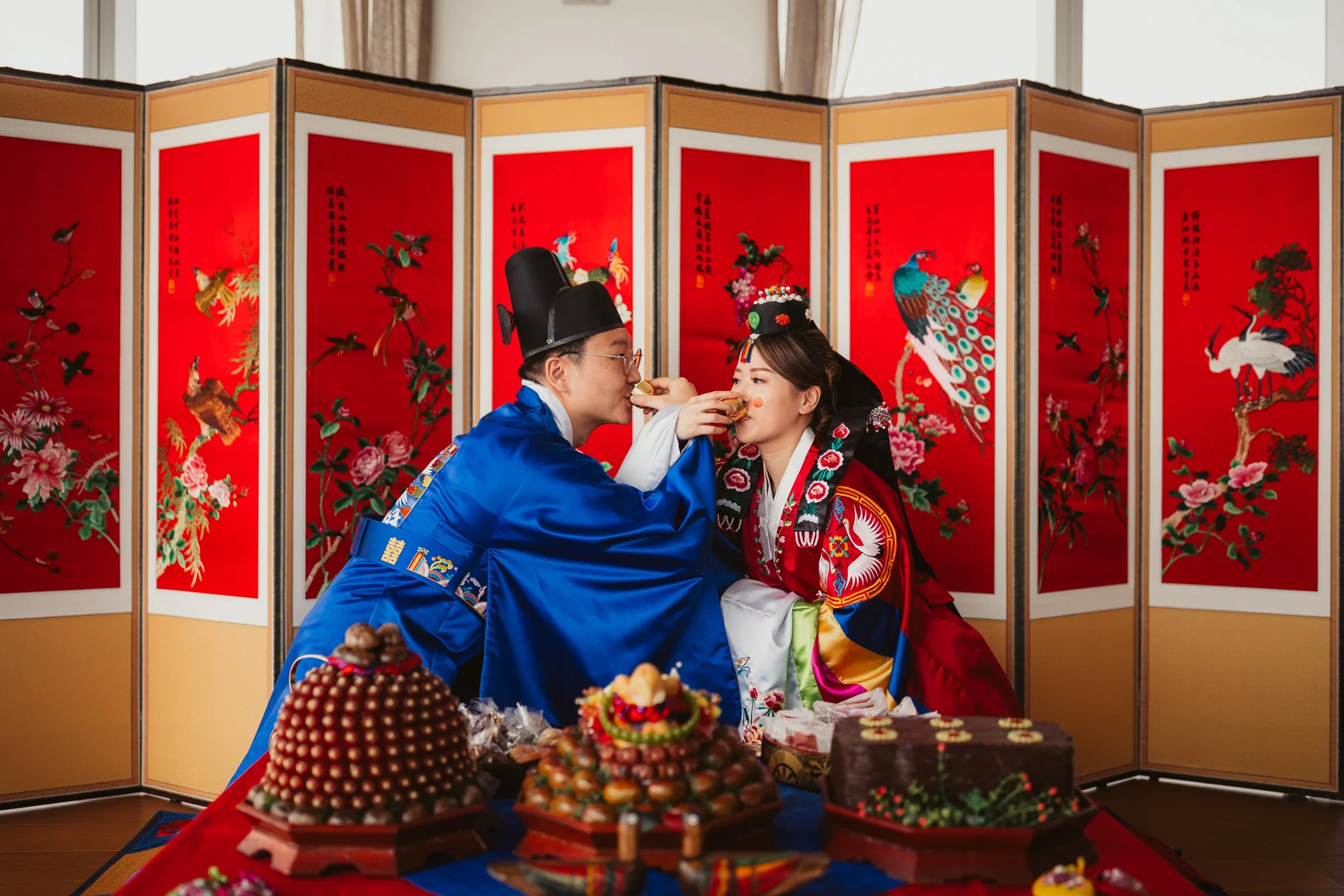
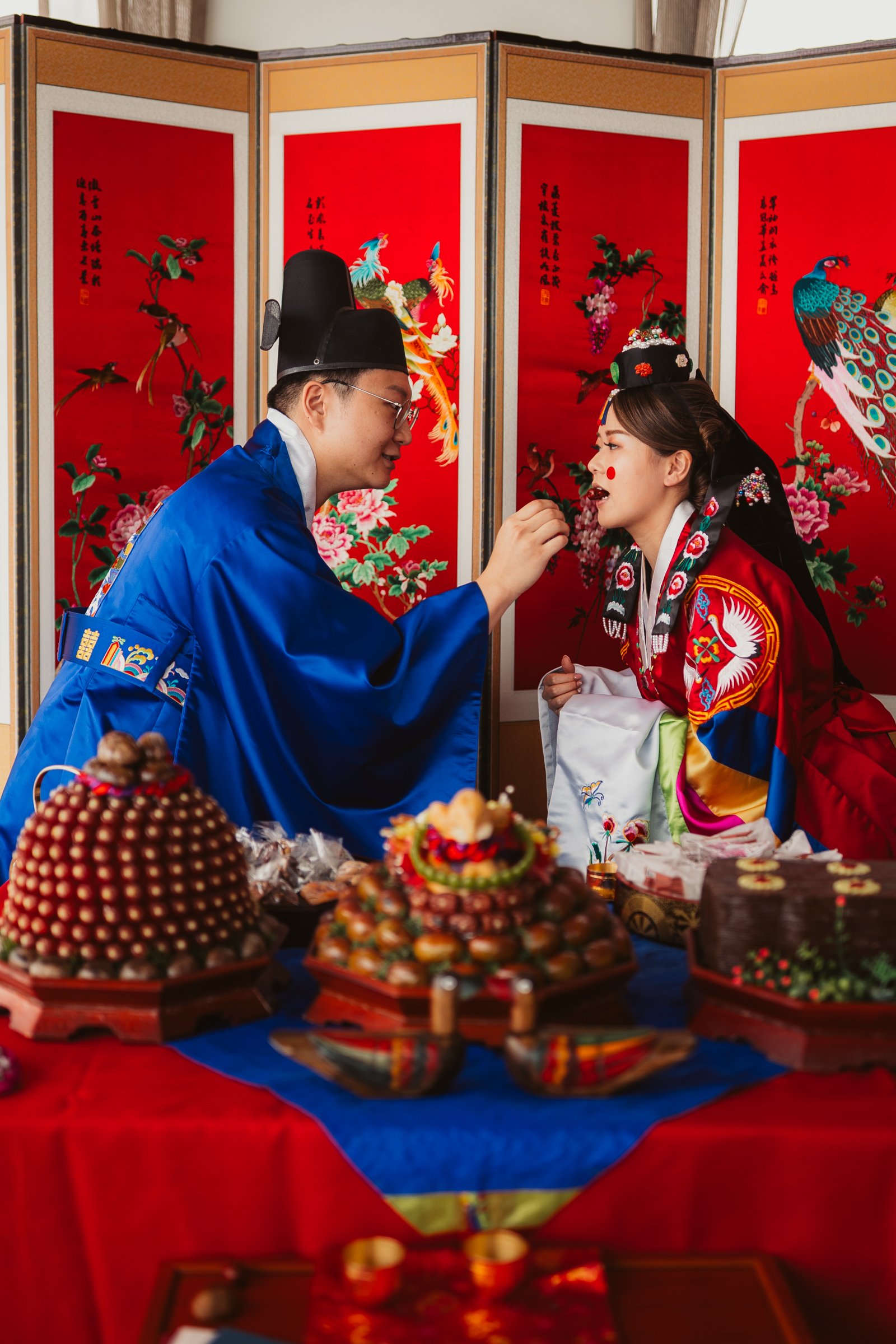
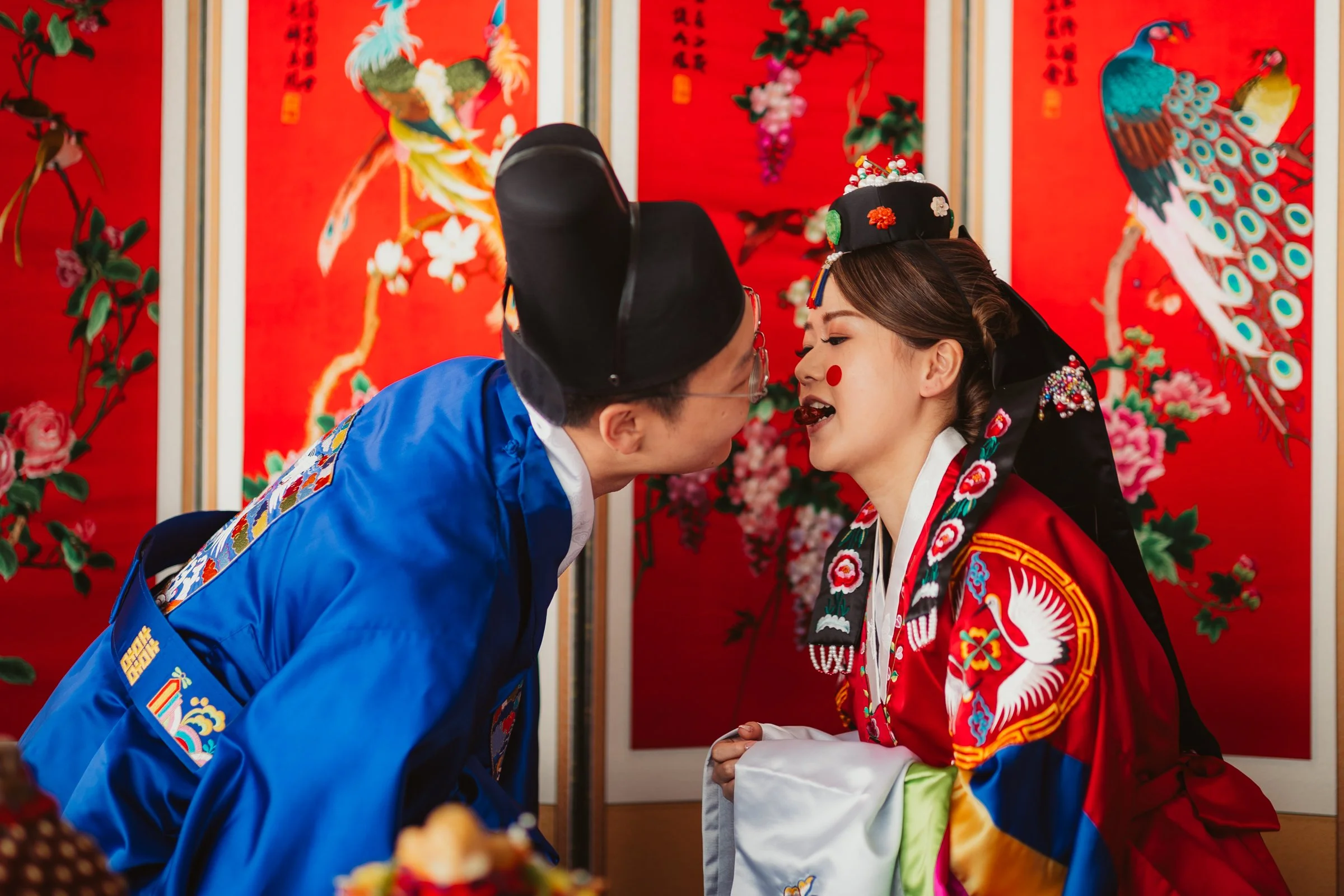
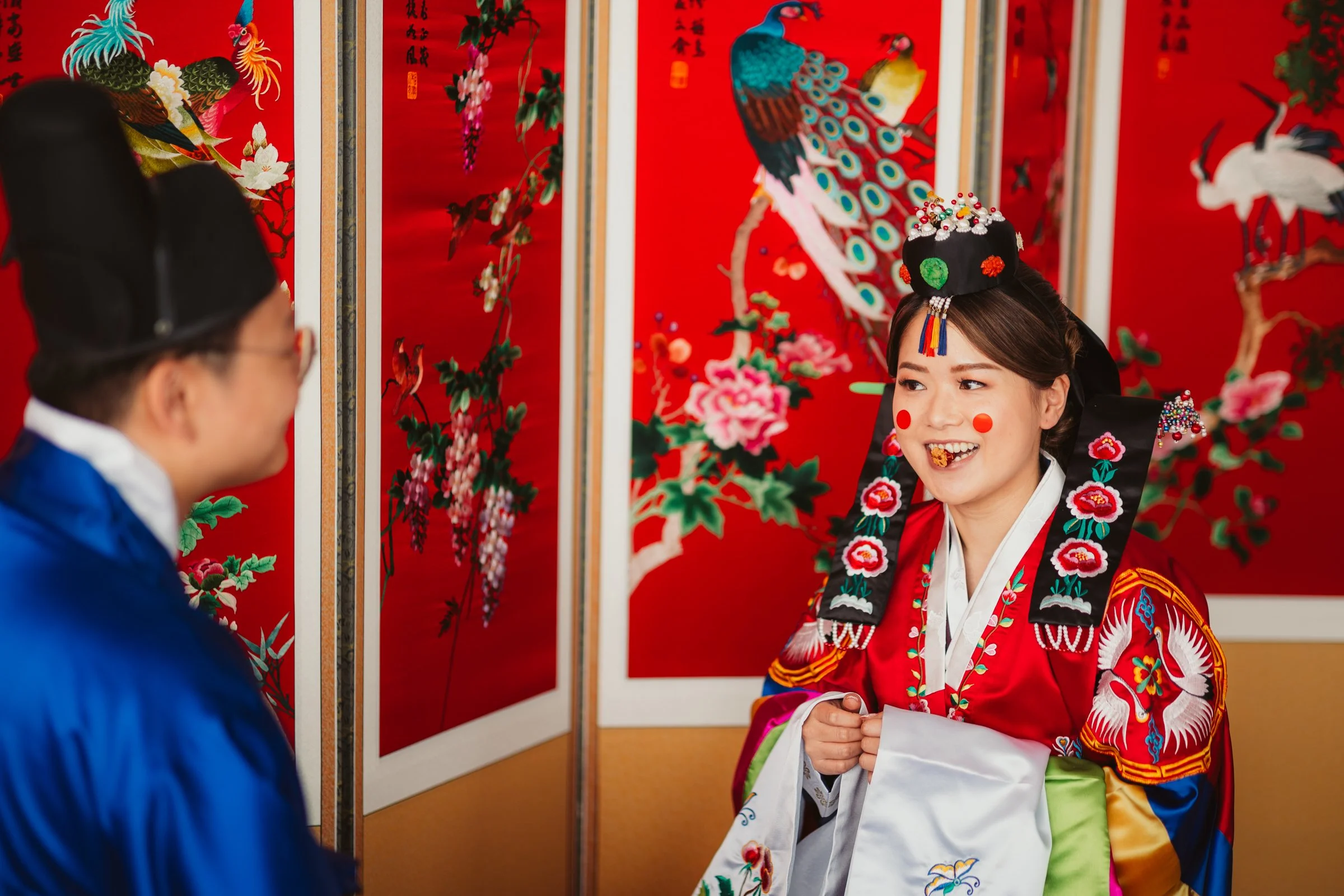
Sharing a Date and Seeing Who Gets the Pit
Another playful part of the paebaek is when the bride and groom share a date and see who gets the pit. While lighthearted and fun, this tradition is also tied to symbolic meaning within marriage.
It is often said that whoever gets the pit will have the upper hand in the marriage or get to determine the gender of the couple’s first child. Like many paebaek traditions, this moment adds humor to the ceremony while still reflecting old beliefs about family life and the future.
The Groom Giving the Bride a Piggyback Ride
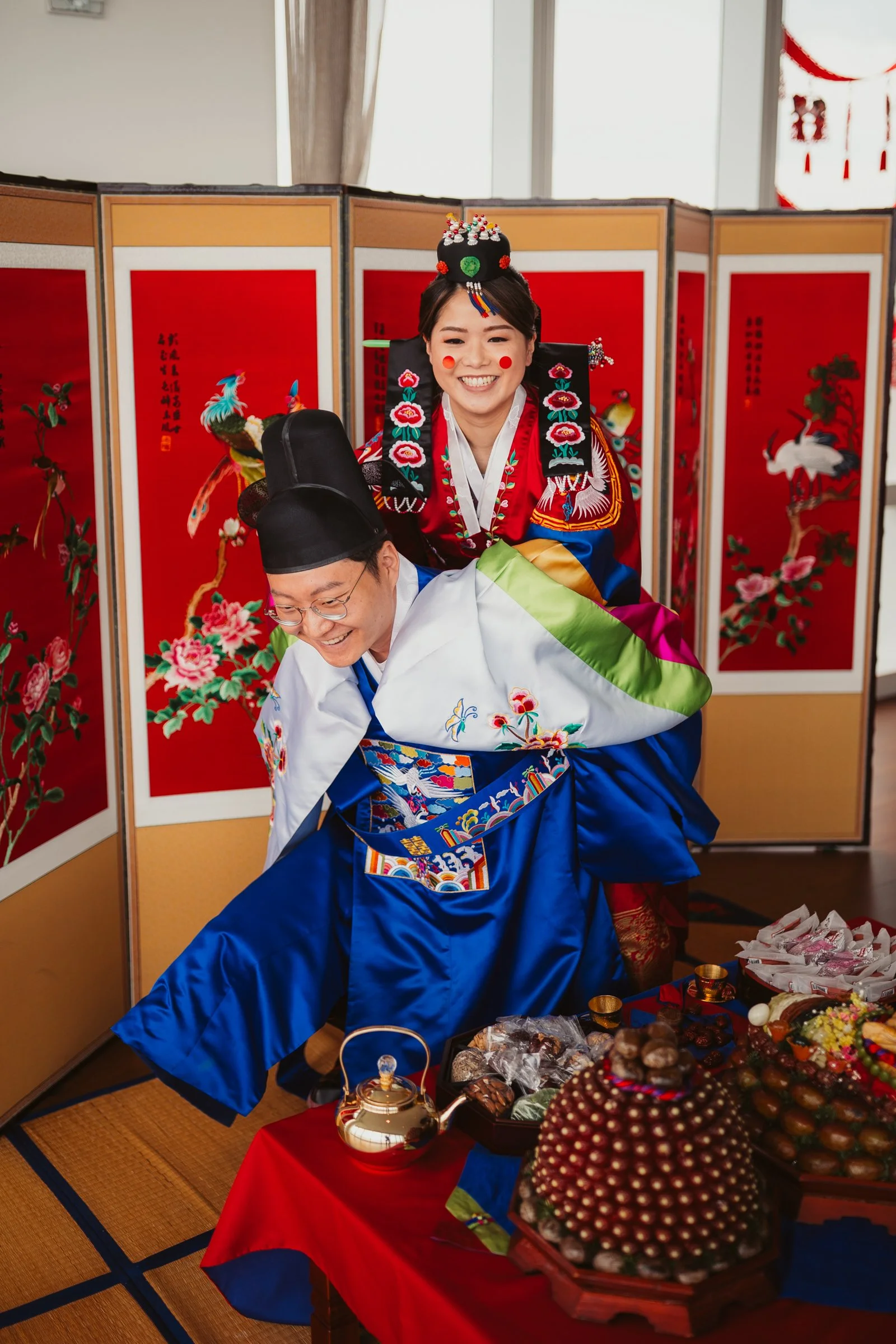
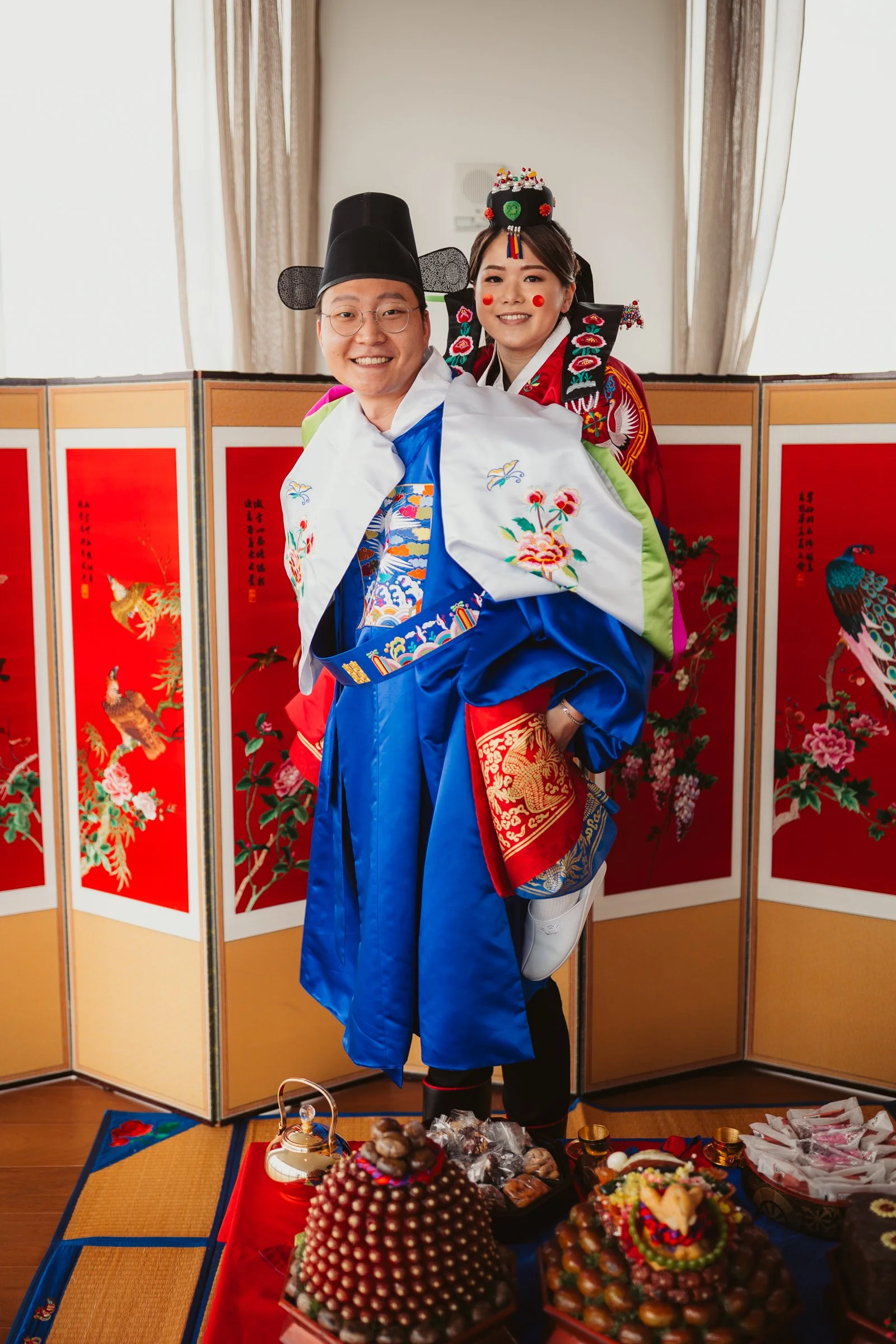
One of the most playful and beloved parts of the paebaek is when the groom gives the bride a piggyback ride. It often brings laughter, but it also carries deeper meaning. Traditionally, it symbolizes the groom’s strength, support, and willingness to carry responsibility in marriage.
It is also understood as the groom bringing the bride home, which makes the tradition especially meaningful at the end of the ceremony. It reflects care, commitment, and the beginning of their life together as husband and wife. As a final ritual, it brings both joy and symbolism into one unforgettable moment.
Why the Paebaek Ceremony Is So Meaningful
A Korean traditional wedding paebaek stands out because it holds so many layers of meaning in one celebration. It honors elders, welcomes blessing, celebrates heritage, and gives the couple a chance to participate in traditions that connect them to family history. At the same time, it includes warmth, laughter, and interactive moments that make it feel deeply personal.
For couples planning a Korean wedding, a fusion wedding, or a multicultural wedding celebration, the paebaek can be one of the most meaningful ways to honor family tradition on the wedding day.
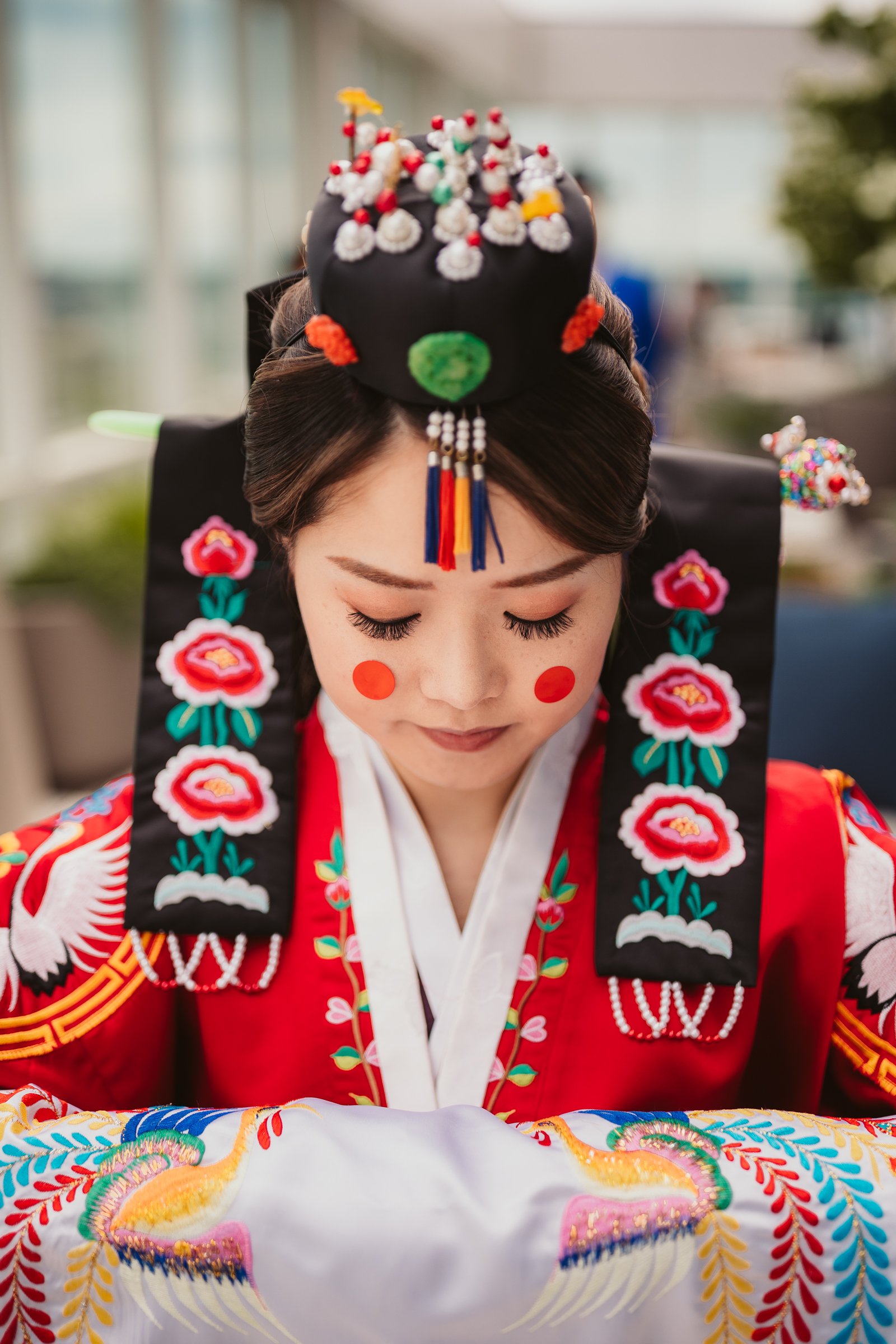
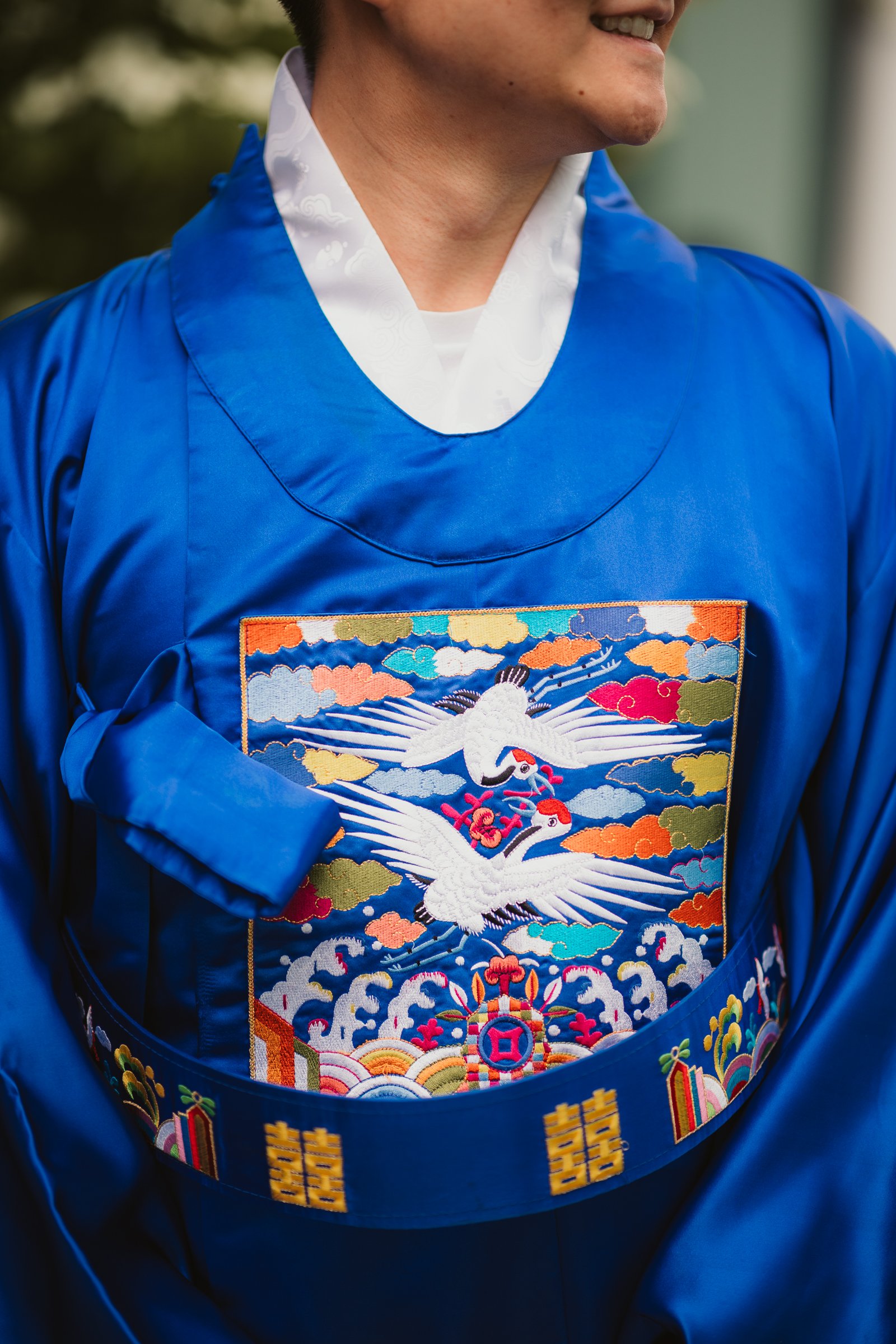
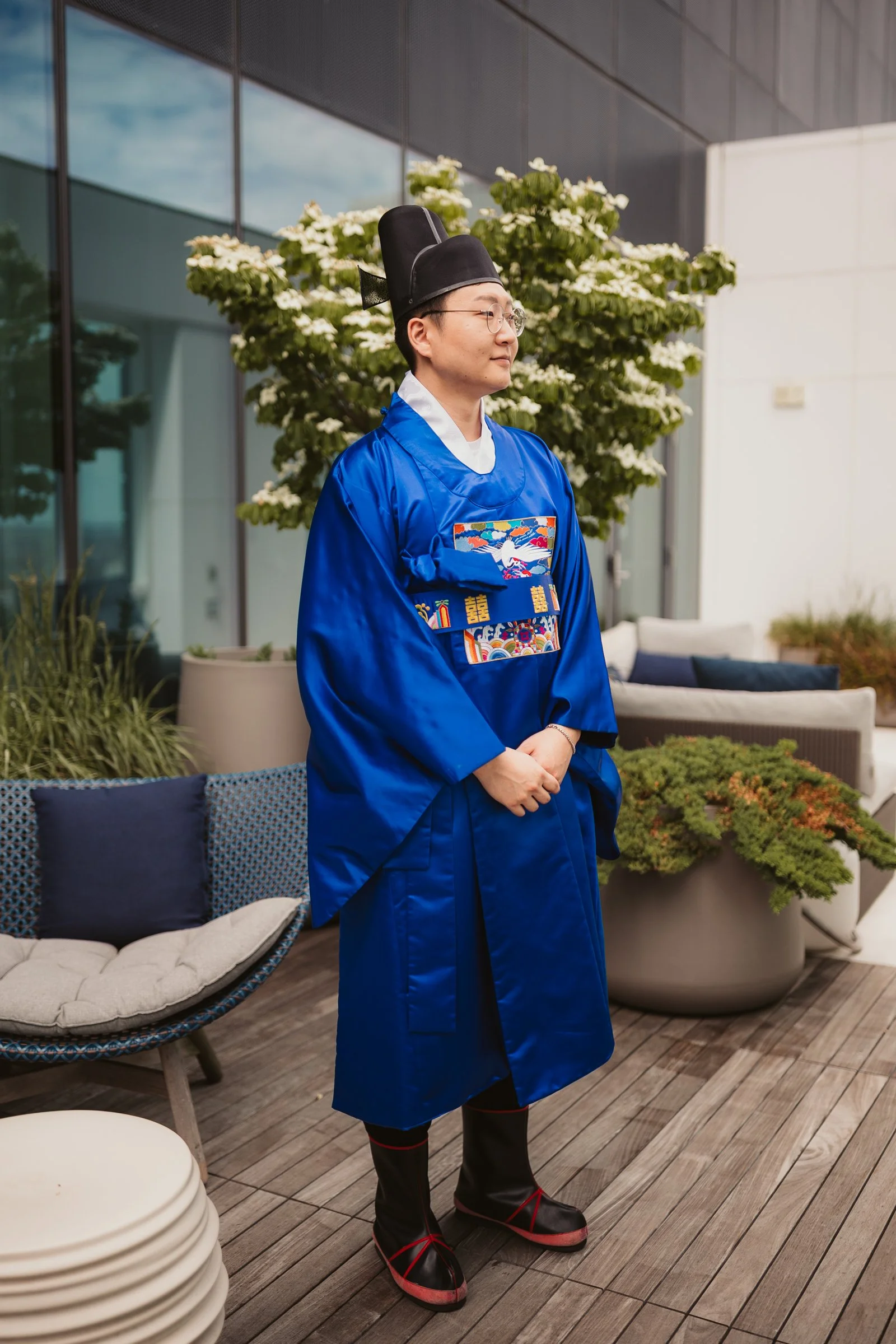
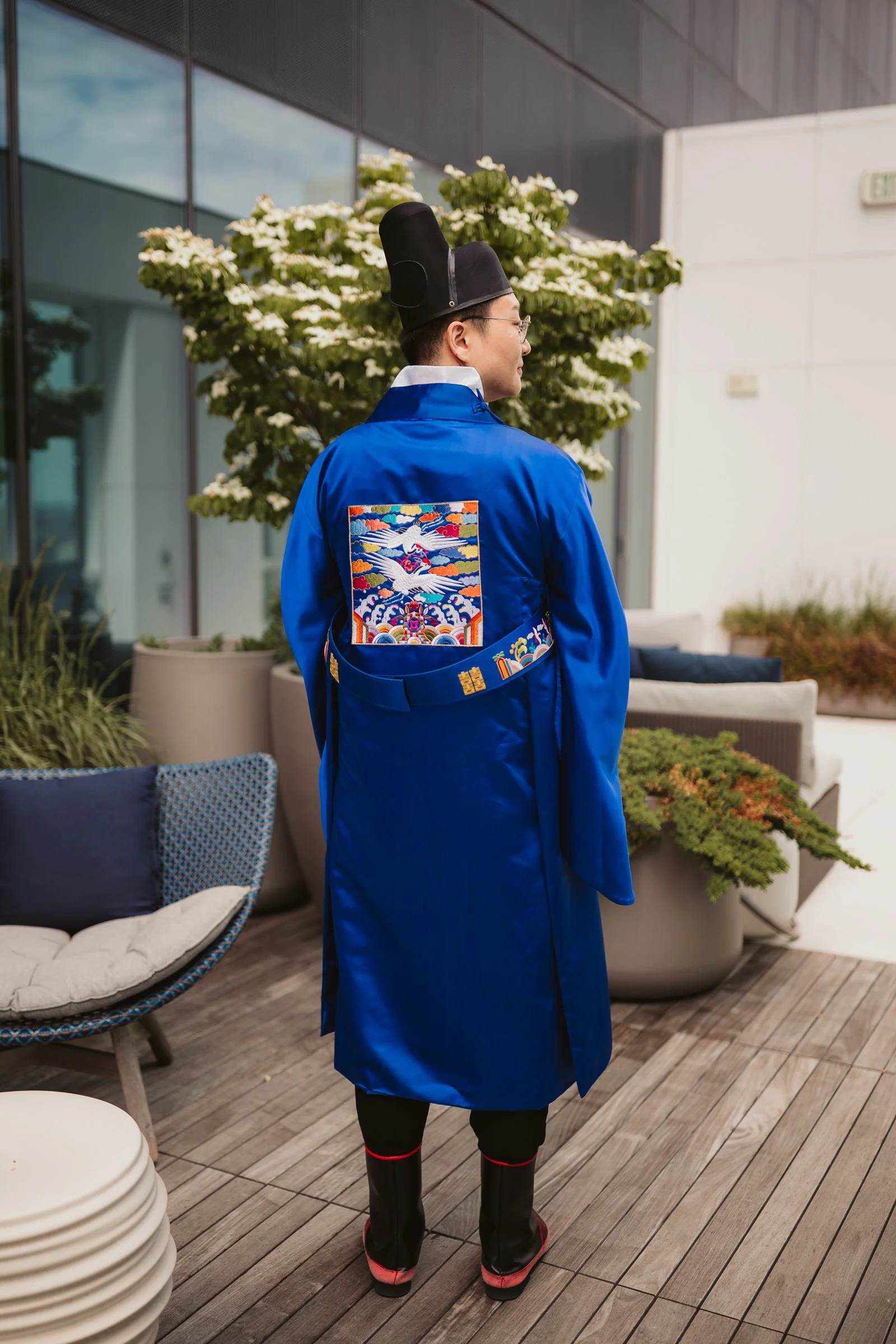
What I Look For as a Wedding Photographer During a Paebaek
As a wedding photographer, what I look for during a paebaek goes beyond the formal traditions themselves. I pay close attention to the respectful bowing, the exchange of wine, the reactions of parents and elders, the laughter during the dates and chestnuts tradition, and the small in between expressions that reveal how much the moment means to everyone involved.
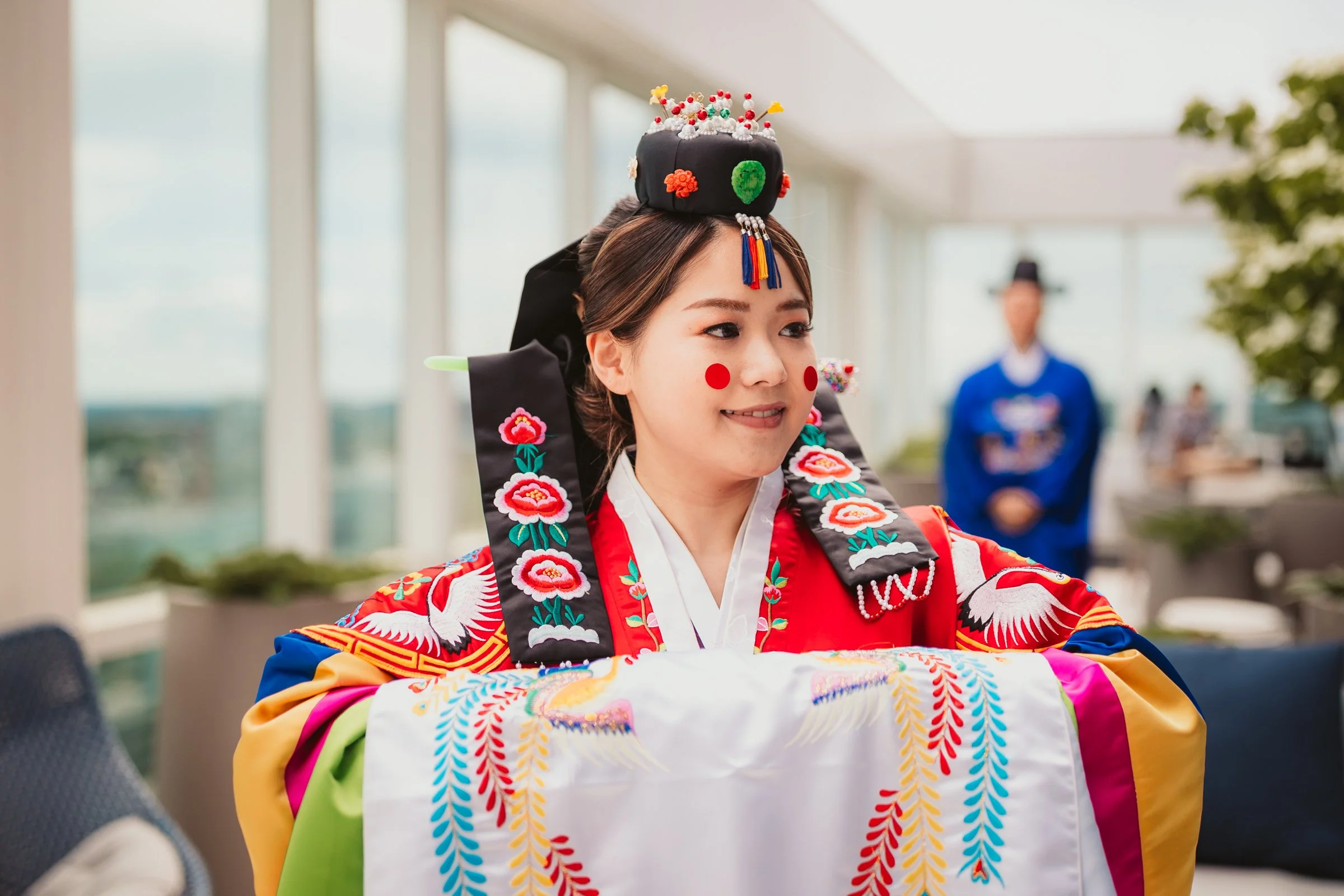
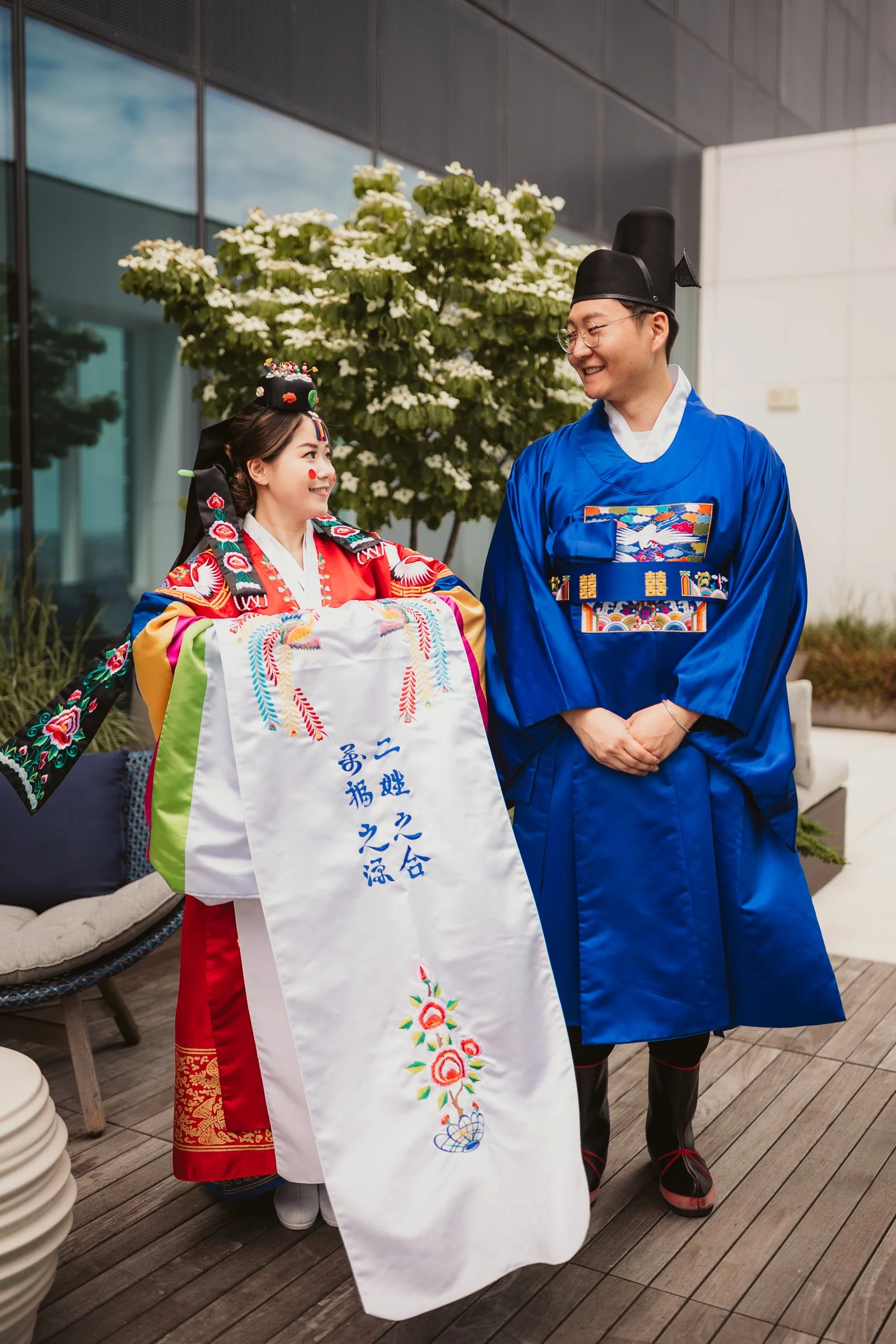
I also look for the balance between tradition and emotion. The beauty of the setup matters, but so do the hands reaching forward, the smiles after a playful moment, the quiet expressions during a bow, and the connection between the couple and their families. Those are the moments that make a paebaek feel alive, heartfelt, and personal.
If you are planning a Korean traditional wedding or including paebaek in your celebration and want it photographed in a way that feels natural, meaningful, and true to your family story, I would love to connect.
Hi, I’m Yi.
With a deep understanding of the culture and meaning behind traditions like paebaek, I can help capture these moments with care, respect, and intention.